Jan 15, 2026
If you're considering deploying enterprise AI in 2026, you may have come across two distinct platforms:StackAI and Moveworks. These companies both help enterprises bring agentic AI into day to day work, but they start from different goals, and that difference shows up clearly in product design, build experience, and long term ownership.
How StackAI and Moveworks differ
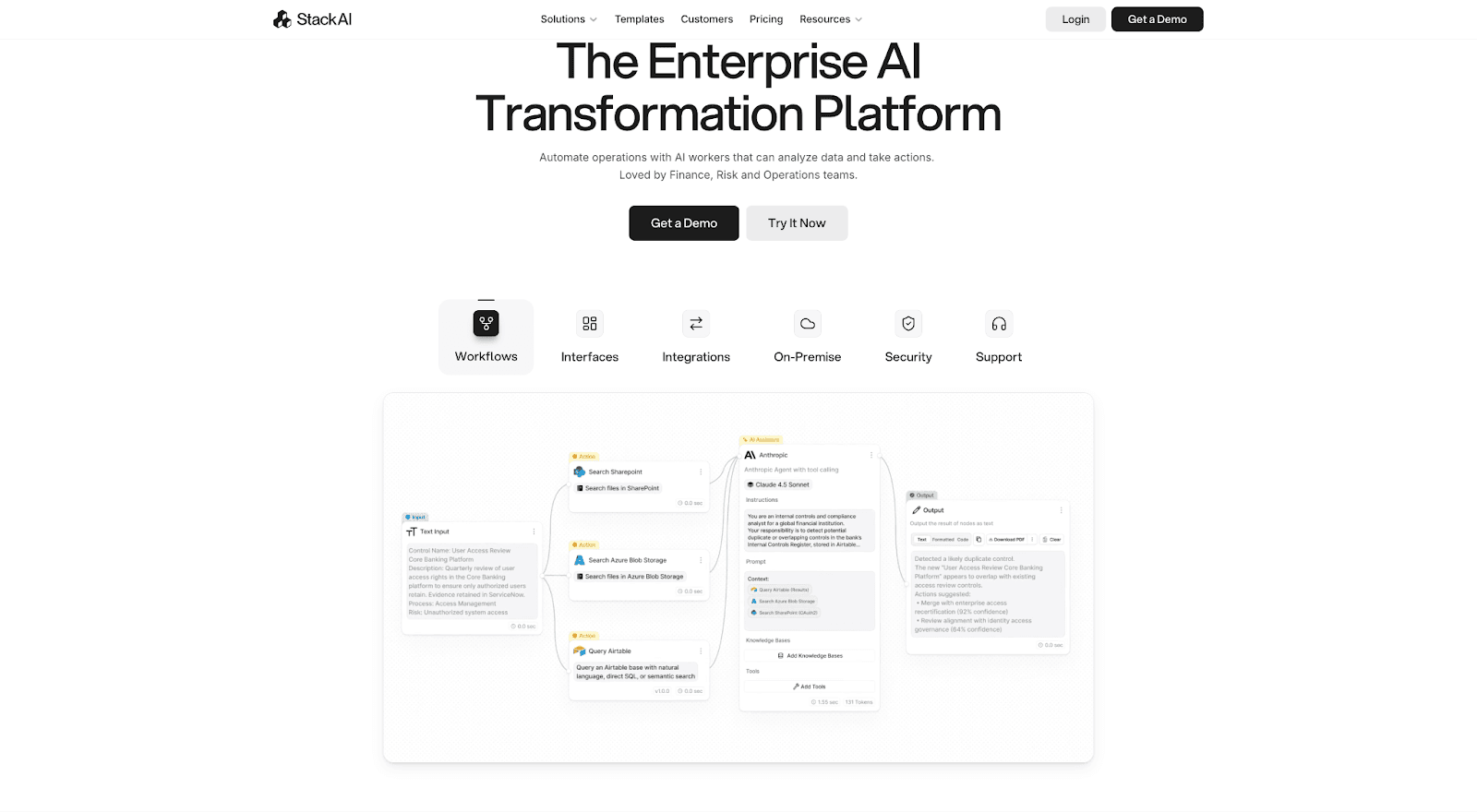
StackAI is an enterprise AI transformation platform designed to automate operations using AI workers that can analyze data and take actions, not just respond to questions. It is widely used by finance, risk, and operations teams that need repeatable, auditable workflows connecting models, tools, and enterprise data.
At a practical level, StackAI works as a no code and low code builder for AI workflows and agents. Teams connect models, tools, APIs, and data sources into a repeatable pipeline, then publish that pipeline as an app, automation, or assistant. The same workflow can be exposed as a chat interface, a batch job, a form, or an API endpoint, depending on how it needs to be used.
Moveworks, on the other hand, is closer to an enterprise employee assistant platform. Its focus is on giving employees a single front door to get help, ask policy questions, and complete common service tasks inside tools like Slack or Microsoft Teams. The platform is designed around support resolution, service workflows, and employee experience rather than broad operational automation.
Put simply, StackAI behaves like an AI automation canvas that supports many different workflows across departments, from document pipelines to data driven operations. Moveworks behaves like a governed employee assistant layer focused mainly on IT, HR, and internal service workflows. There is overlap between the two, but the centre of gravity is clearly different.
This article will compare the two platforms across the areas that usually drive real buying decisions: build model, automation depth, document handling, governance, deployment, and measurement.
TL;DR Comparison Table
Dimension | What it means | StackAI | Moveworks |
Primary focus | Core job the platform targets | ✅ Build many AI workflows and agents across departments | Employee assistant for support and service workflows |
Build surface | How builders create behavior | ✅ Workflow graph plus Agent Builder | Assistant Builder plus Scoped Assistants |
Automation depth | Multi step work and tool use | ✅ Computer tools, code execution, branching workflows | Support actions and resolution flows, plus embedding through API |
Docs and RAG | Knowledge grounding and file work | ✅ RAG plus strong document handling and citation controls | Knowledge grounding tuned for policies, FAQs, ticket context |
Deployment | How users access the system | ✅ Chat, forms, batch runs, widgets, bots, API endpoints | Slack, Teams, web, embedded via Headless API |
Governance | Admin controls and safety levers | ✅ Feature Access Control and source exposure controls | Scoped boundaries per assistant, governed service patterns |
Reuse | Repeat patterns at scale | ✅ Templates and reusable workflows | Scoped assistants and an agent marketplace model |
Measurement | How value shows up | ✅ Workflow testing and logs support reliability loops | Employee Experience Insights ties work to service outcomes |
Builder granularity | Step by step control over logic | ✅ Node level control: branching, retries, tool routing, transforms | Higher level configuration, less step by step control |
Document intelligence | OCR, extraction, doc generation | ✅ OCR for scans, extraction, structured transforms, generate Word or Docs | ❌ Not positioned as doc processing toolkit |
In flow code execution | Run code inside workflows | ✅ Multi language code execution inside a node | ❌ No equivalent positioned for in flow code execution |
Project portability | Move projects across environments | ✅ Encrypted project export/import | ❌ No equivalent for portable project files |
Advanced agentic tooling | Browser, terminal, file operations | ✅ Browser navigation, terminal use, file navigation tools | ❌ Not positioned as computer tool automation |
Auto drafting agents | From natural language spec to agent | ✅ Auto Agents suite instantly generates a multi step agent draft | ❌ No direct equivalent |
Core positioning and best-fit problems for StackAI and Moveworks
This section answers the biggest question first: what type of problem each platform is built to solve? Let’s have a closer look.
StackAI
StackAI is a platform for building AI workflows and agents as reusable business automations .
In practice, StackAI often becomes the place where teams build multiple assistants, automations, and document pipelines that live inside existing business systems.
Best fit when you want many AI apps and automations across departments, not only one assistant.
Good fit for workflows that mix knowledge retrieval, tool calls, branching logic, and output generation.
Strong fit for teams building internal AI capability as a program, with templates and shared components.
Moveworks
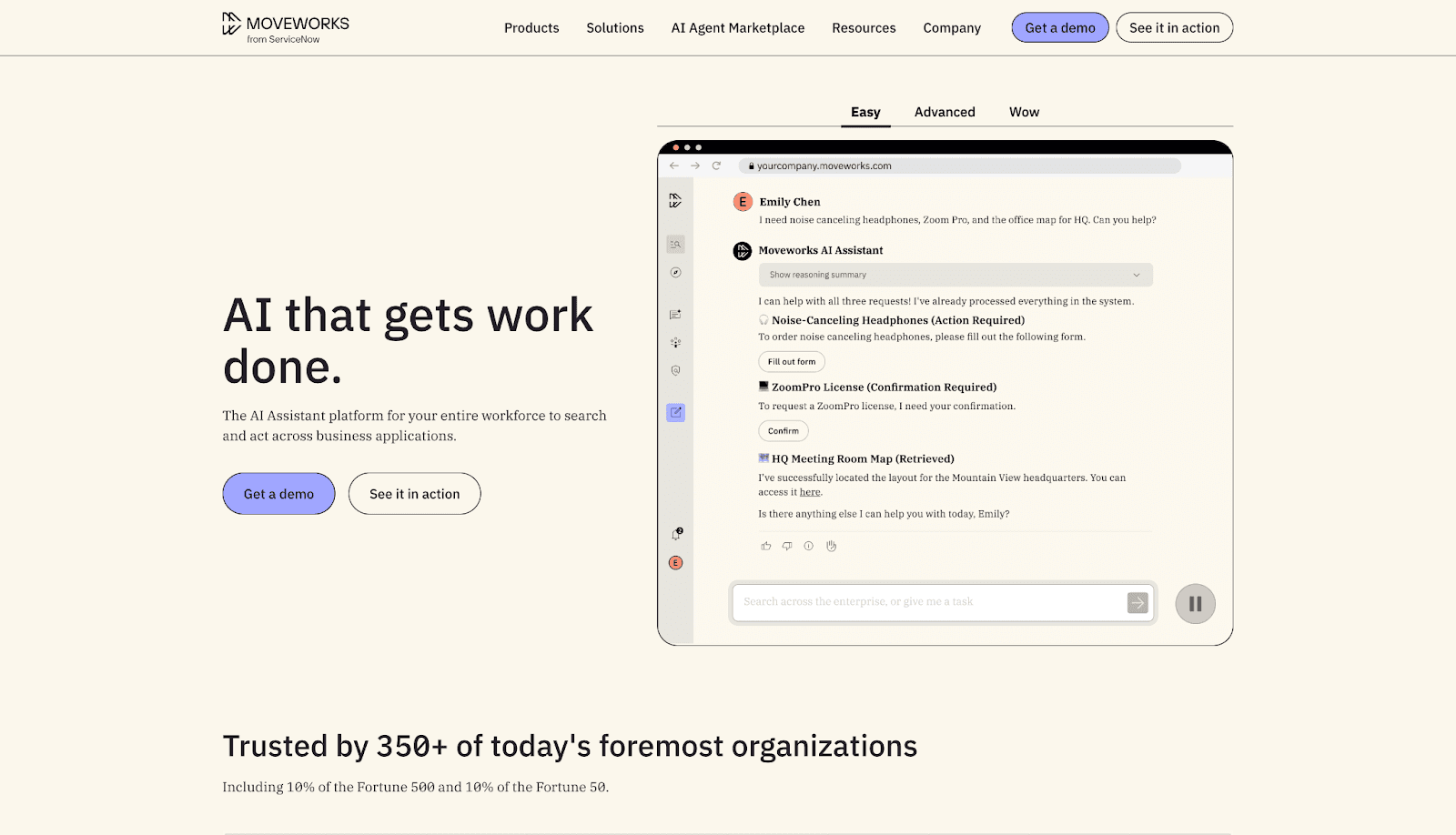
Moveworks is a platform for delivering an employee assistant that resolves support issues and guides staff through service tasks.
In practice, Moveworks often becomes the front door for employee help, with a steady focus on service outcomes and adoption.
Best fit when employee support experience is the main goal
Strong fit when success is measured in deflection, faster resolution, and reduced employee friction.
Scoped Assistants help departments go deep while keeping boundaries clear.
Build Model: Workflow graphs vs scoped assistants
Both StackAI and Moveworks offer no-code building, but they expose different levels of control and detail.
StackAI
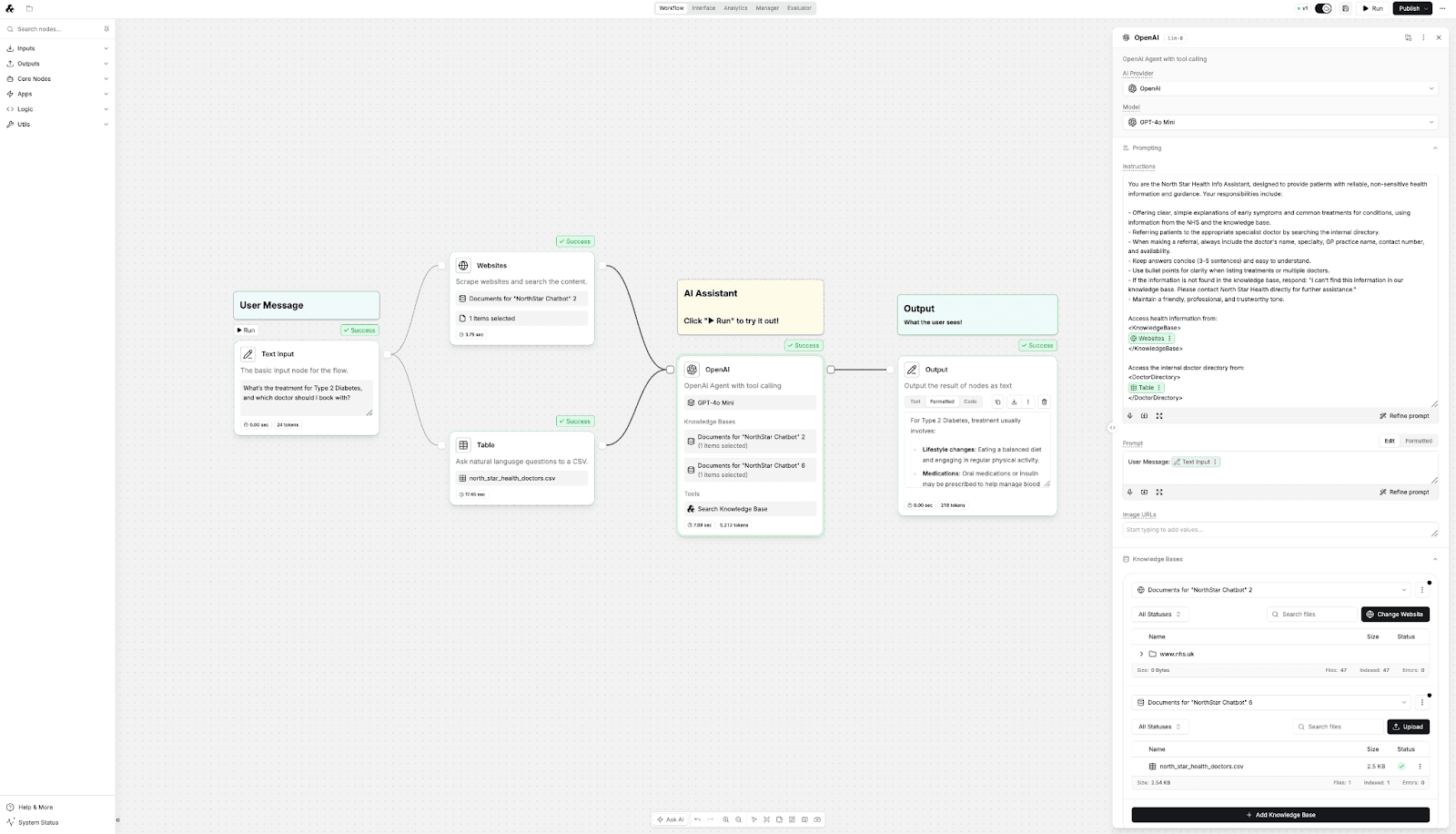
StackAI uses a node-based workflow builder. Workflow graphs make steps explicit: easier debugging, easier review, clearer governance.
Quick start gives a quick path for basic agents, then you can expand into a full workflow graph when needed.
Good fit when you want to standardize a workflow and reuse it across teams and interfaces.
Moveworks
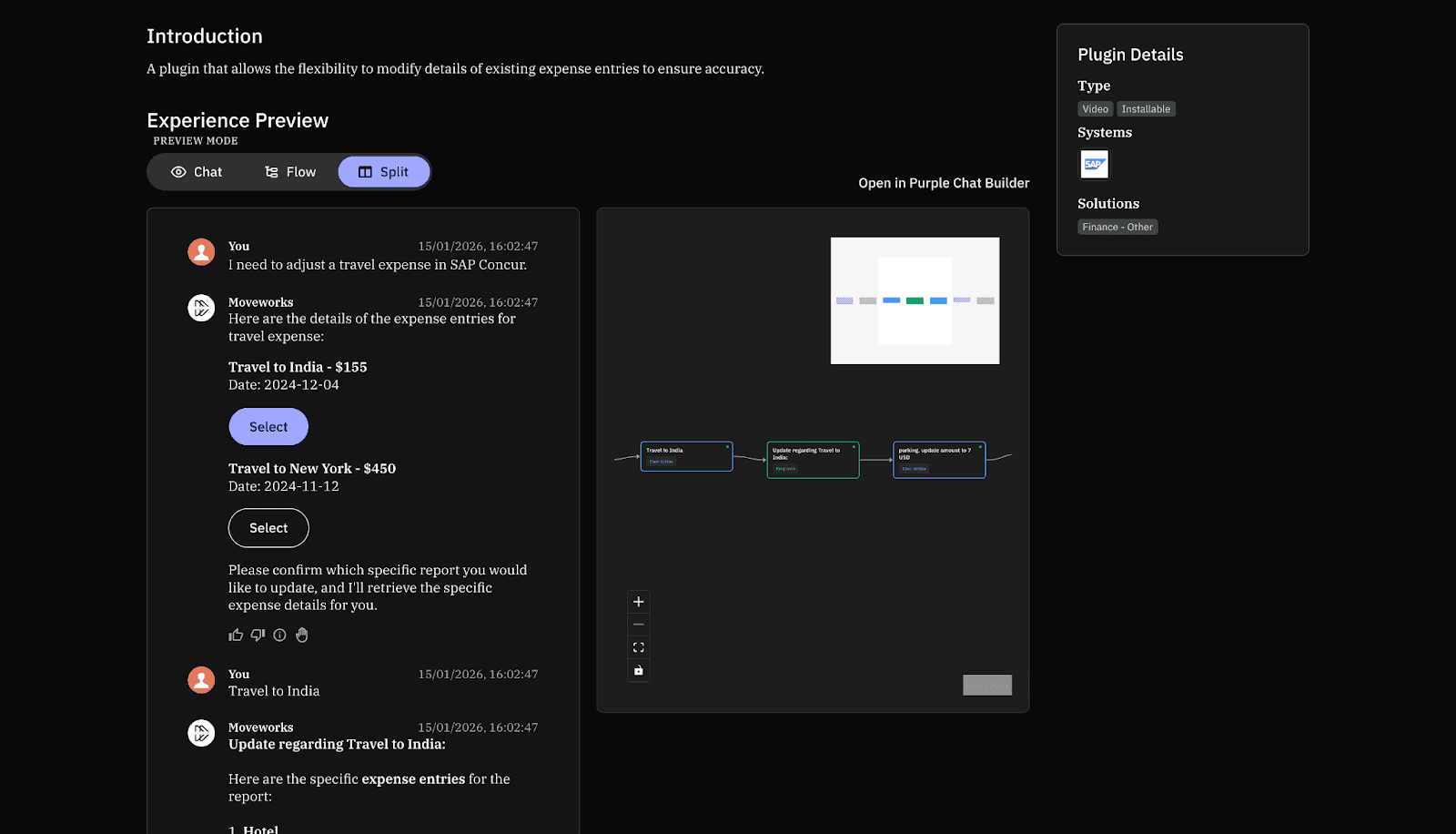
Moveworks uses a higher-level assistant model, centered on Scoped Assistants configured in Assistant Builder .
Scoped Assistants keep departmental capability packaged and bounded, which supports governance.
Assistant Builder focuses on configuring behaviors and flows without exposing a low-level graph.
Good fit when the build work must stay close to standard support patterns.
Integrations and extensibility
A platform's practical value depends on what it can read and write across enterprise systems.
StackAI
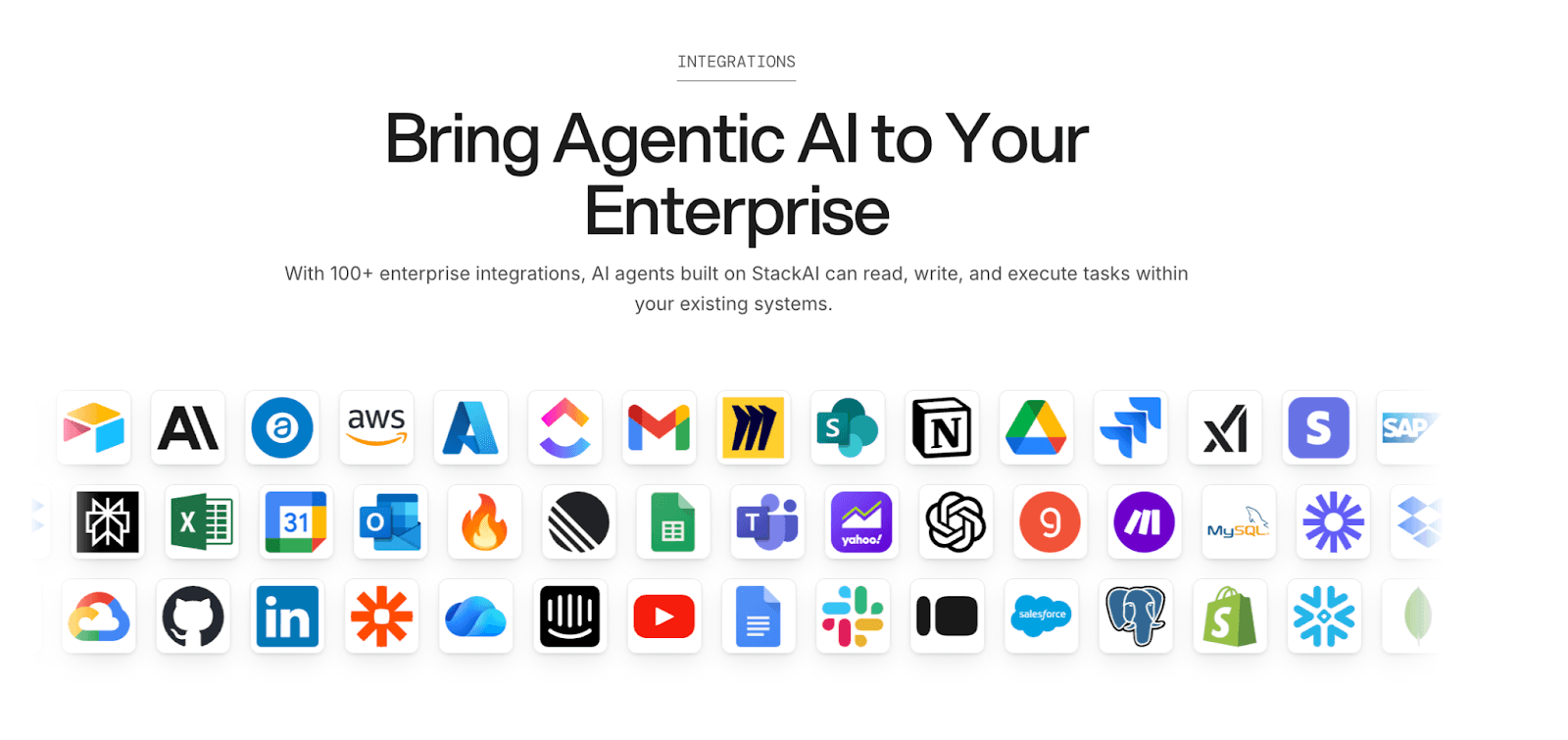
StackAI emphasizes integration breadth and custom connectors. A common StackAI pattern is a workflow that pulls data from several tools, runs checks, then posts updates back into systems, all in one run.
100+ integrations plus custom API connectors .
Designed for cross-system automations: read from one system, write to another, then notify users.
Good fit when teams expect to connect many business apps and internal services.
Moveworks
Moveworks emphasizes integrations that support employee help and service tasks.
A common Moveworks pattern is an employee request that triggers a guided flow and results in a resolved issue or a correctly created ticket.
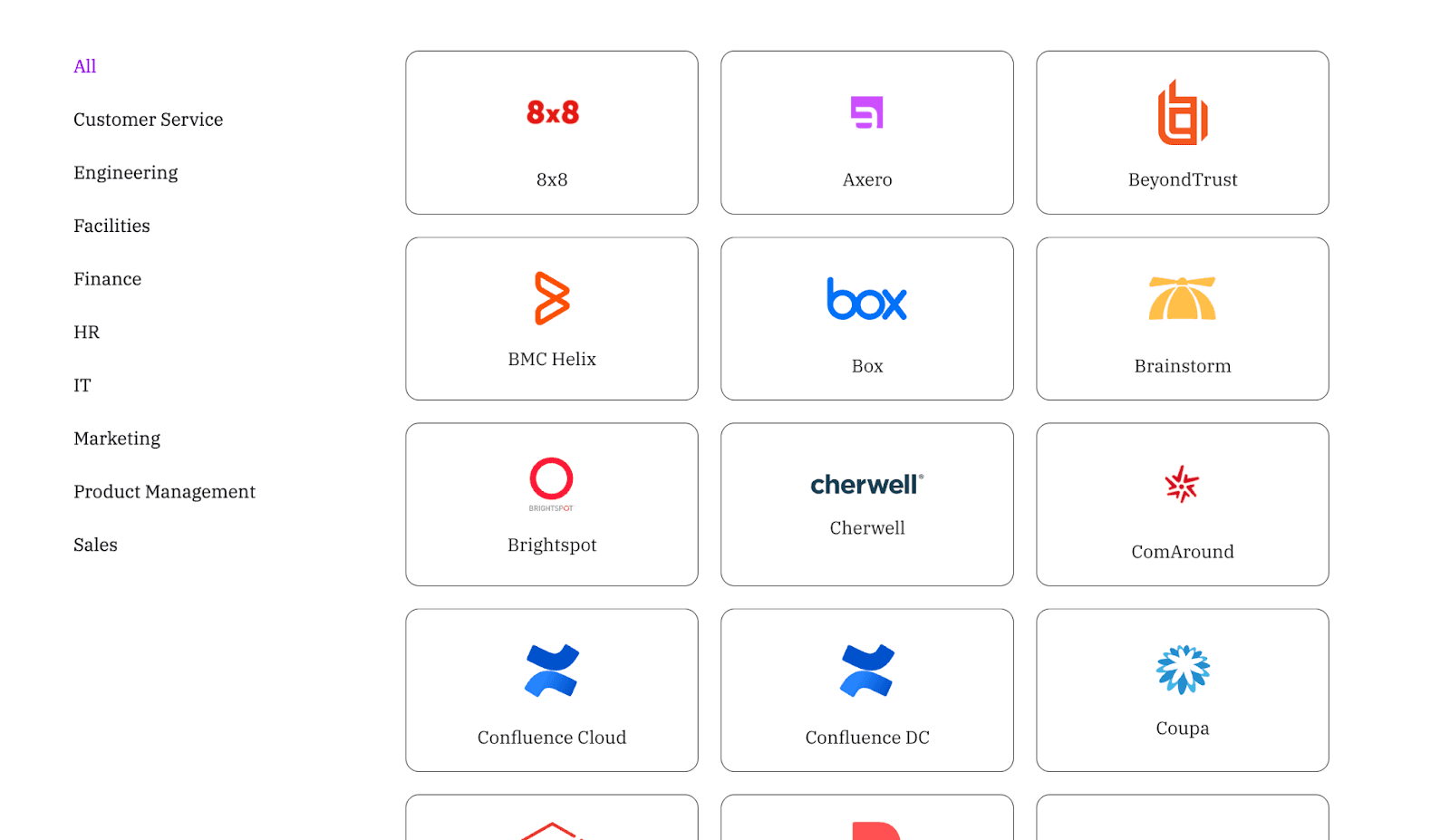
Strong focus on systems that drive employee issues: ITSM, identity, HR systems, and knowledge sources.
Agent marketplace approach supports installable capabilities that extend the assistant .
Headless API helps embed the assistant inside portals or apps .
Knowledge grounding, RAG, and document intelligence
Both platforms ground answers in enterprise knowledge. The difference is how much they treat documents as first-class inputs and outputs.
StackAI
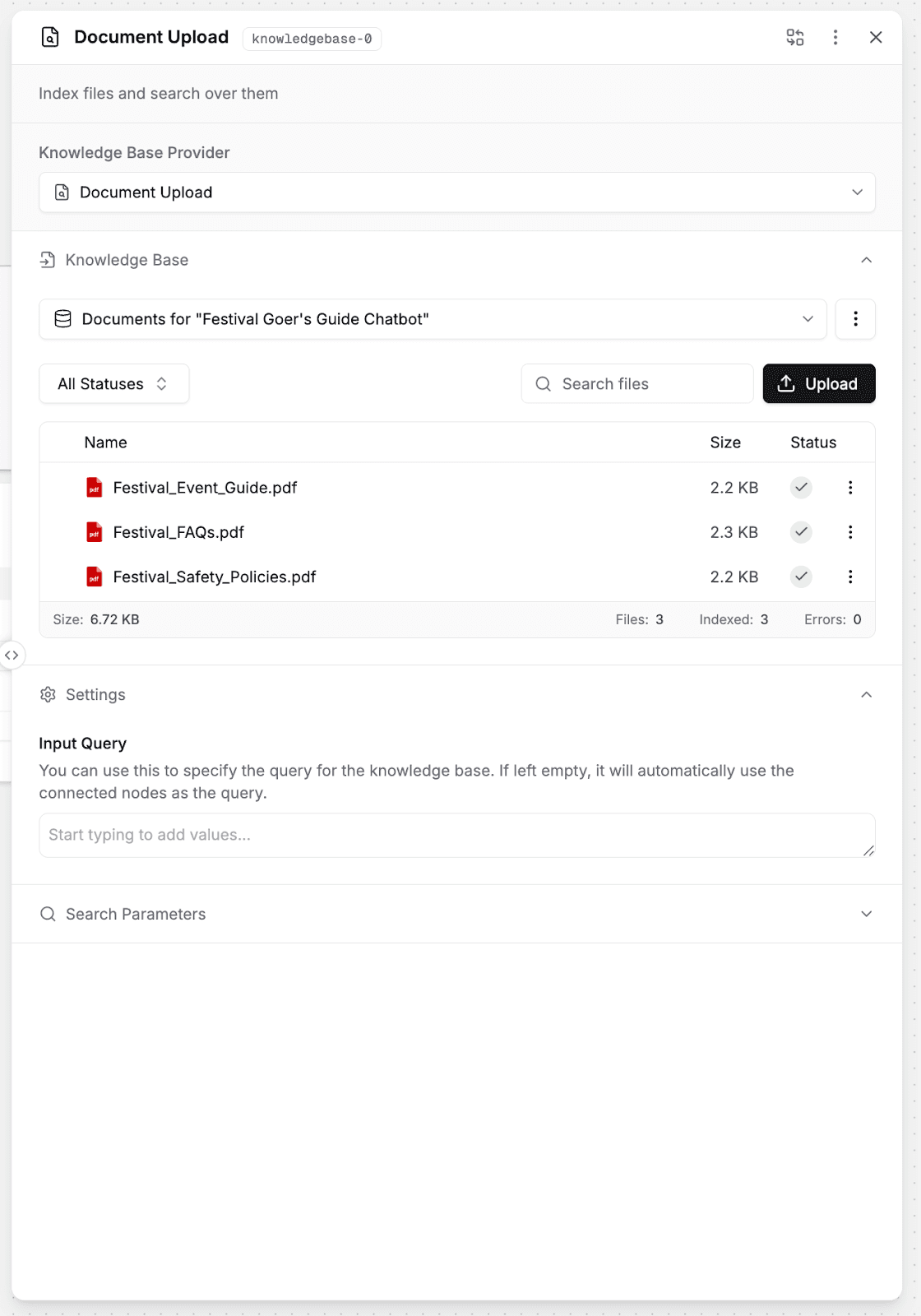
StackAI uses RAG inside workflows, often as one step in a longer pipeline, and it provides controls for citations and source exposure .
RAG is easy to combine with validation, formatting, and tool actions in one workflow.
Controls can limit source exposure, while still keeping citations when needed .
Strong fit for document-heavy work: extraction, structured outputs, and document generation.
🔗 Learn More: To learn more about RAG agents on StackAI, check out this blog post.
Moveworks
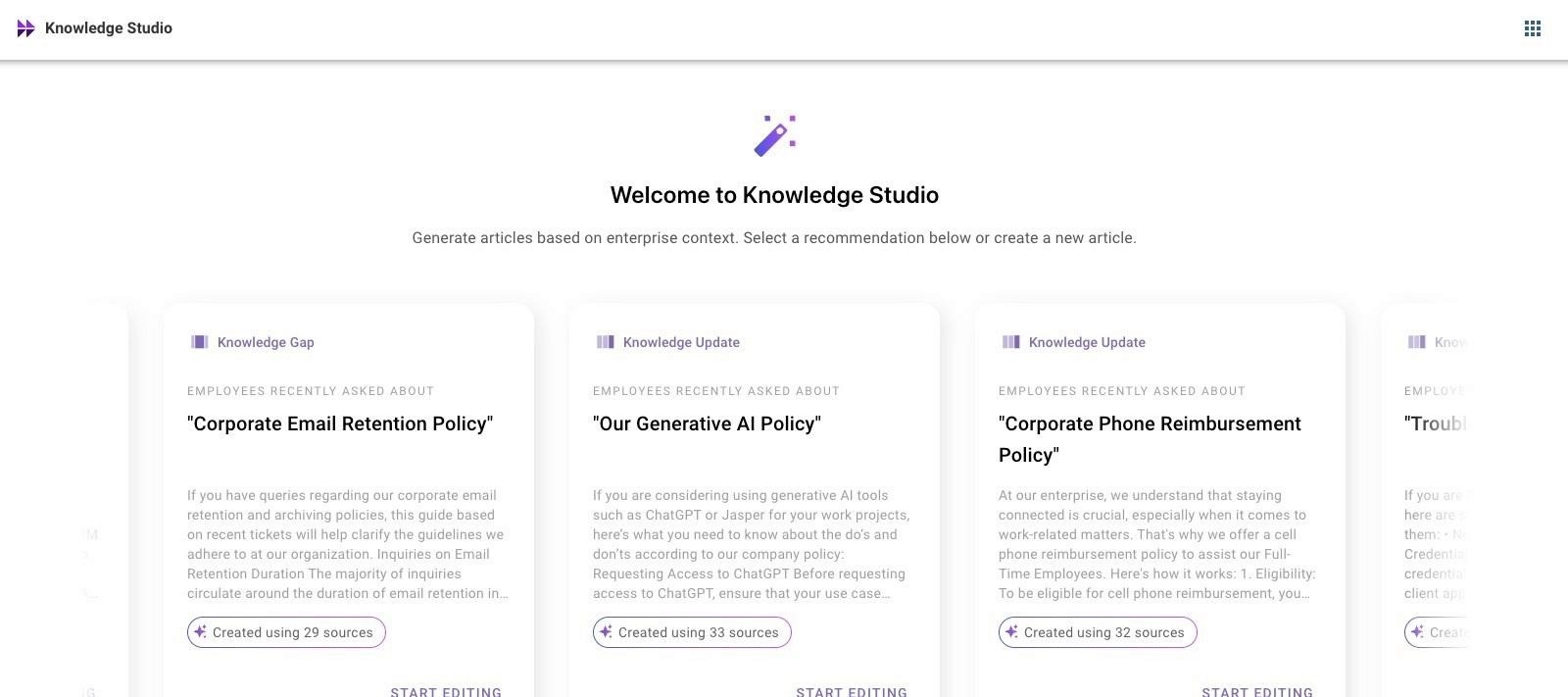
Moveworks grounds answers in internal content tuned for employee support and service resolution.
Strong at policy Q&A and support guidance, tied to common employee questions.
Knowledge use often connects directly to service actions: resolve, guide, or escalate.
Less emphasis on general document processing pipelines; more emphasis on employee help.
Agentic actions and automation depth
This section compares how each platform handles multi-step actions, tool use, and task completion.
StackAI
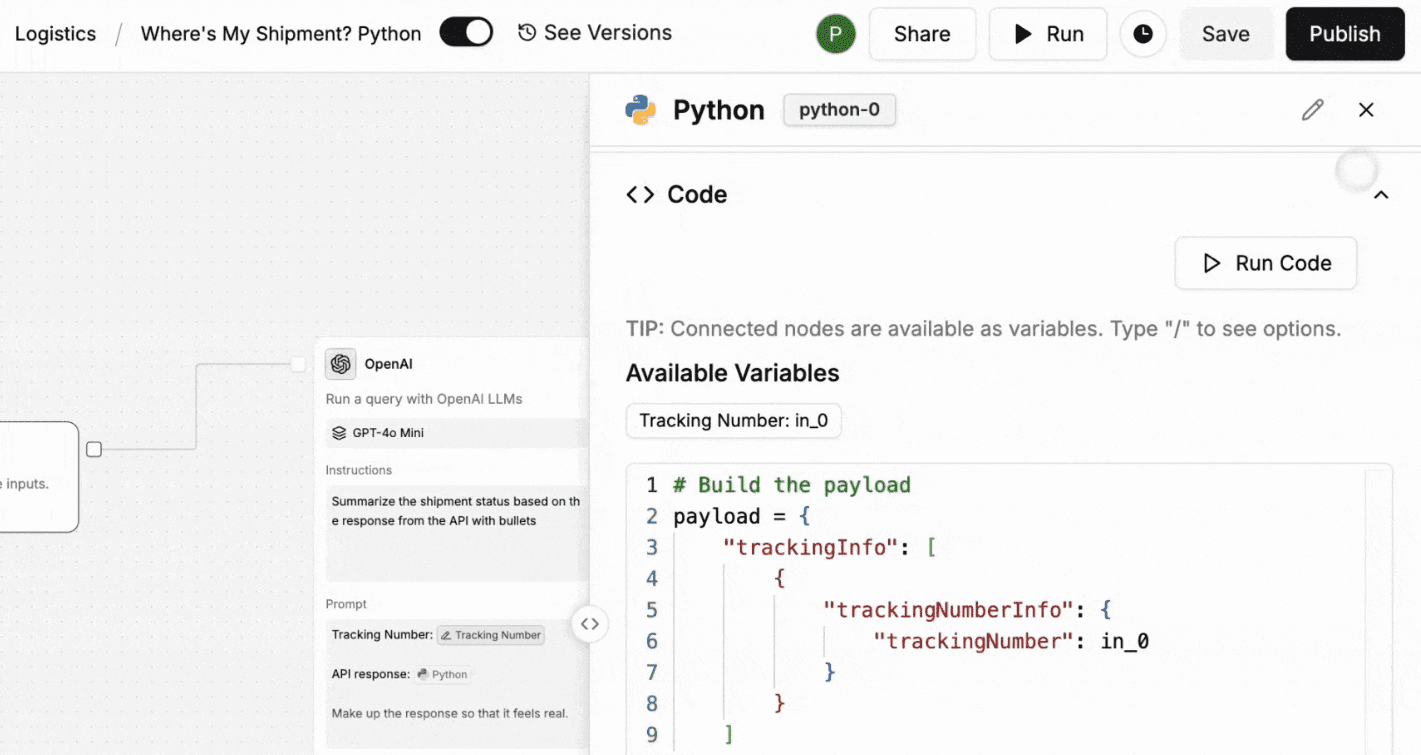
StackAI supports deep tool use inside workflows, including computer tools and code execution.
This is a key area where StackAI often feels more flexible, since workflows can include complex branching logic and custom tool steps as needed.
Computer tools inside workflows: browser, files, terminal, code execution .
Multi-language code execution supports in-workflow data conversion .
Good fit for long chains of steps across multiple systems and data types.
Moveworks
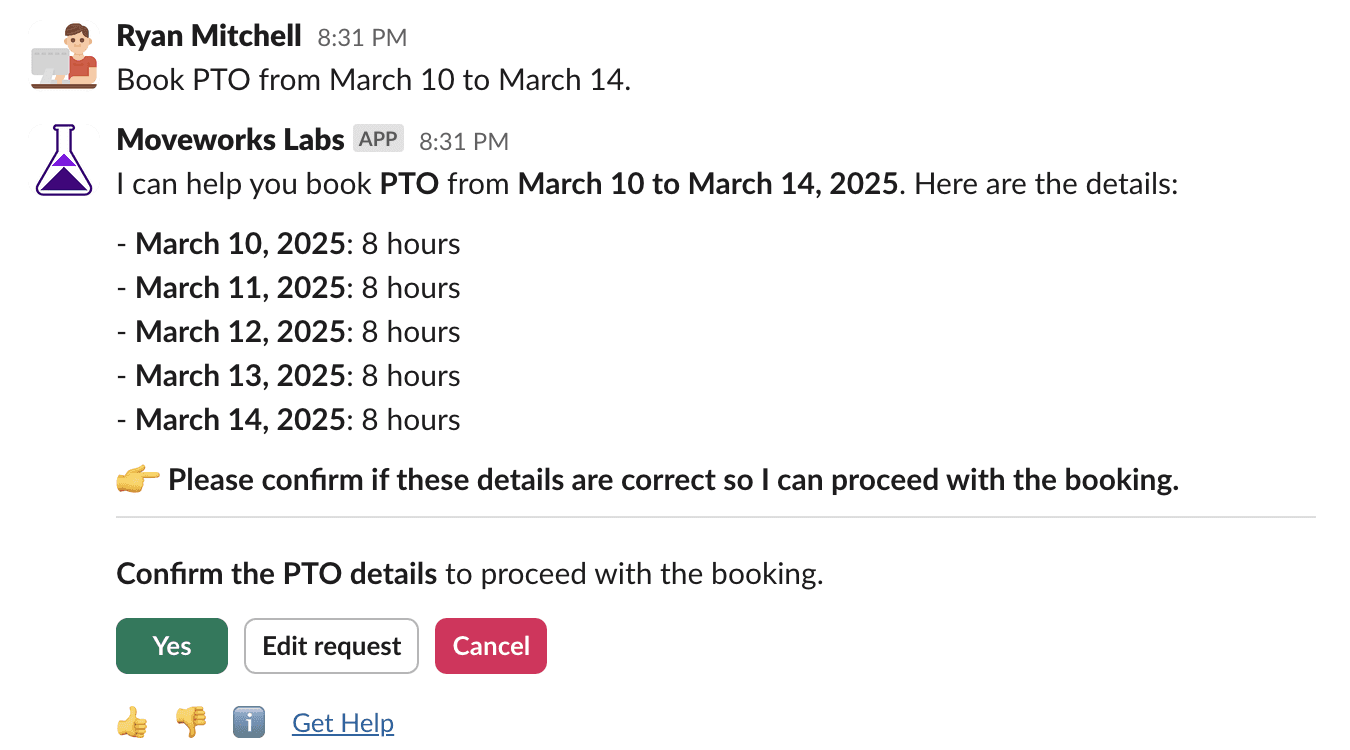
Moveworks focuses actions on support tasks and service flows, plus embedding the assistant where users work.
Actions center on service resolution: create tickets, update tickets, handle access flows, guide approvals.
Headless API helps place actions inside portals and apps beyond chat tools .
Good fit when actions stay within approved service boundaries.
Deployment surfaces and end-user experience
A platform is only useful when users can access it in a way that fits their work. This section compares channels and interface options.
StackAI
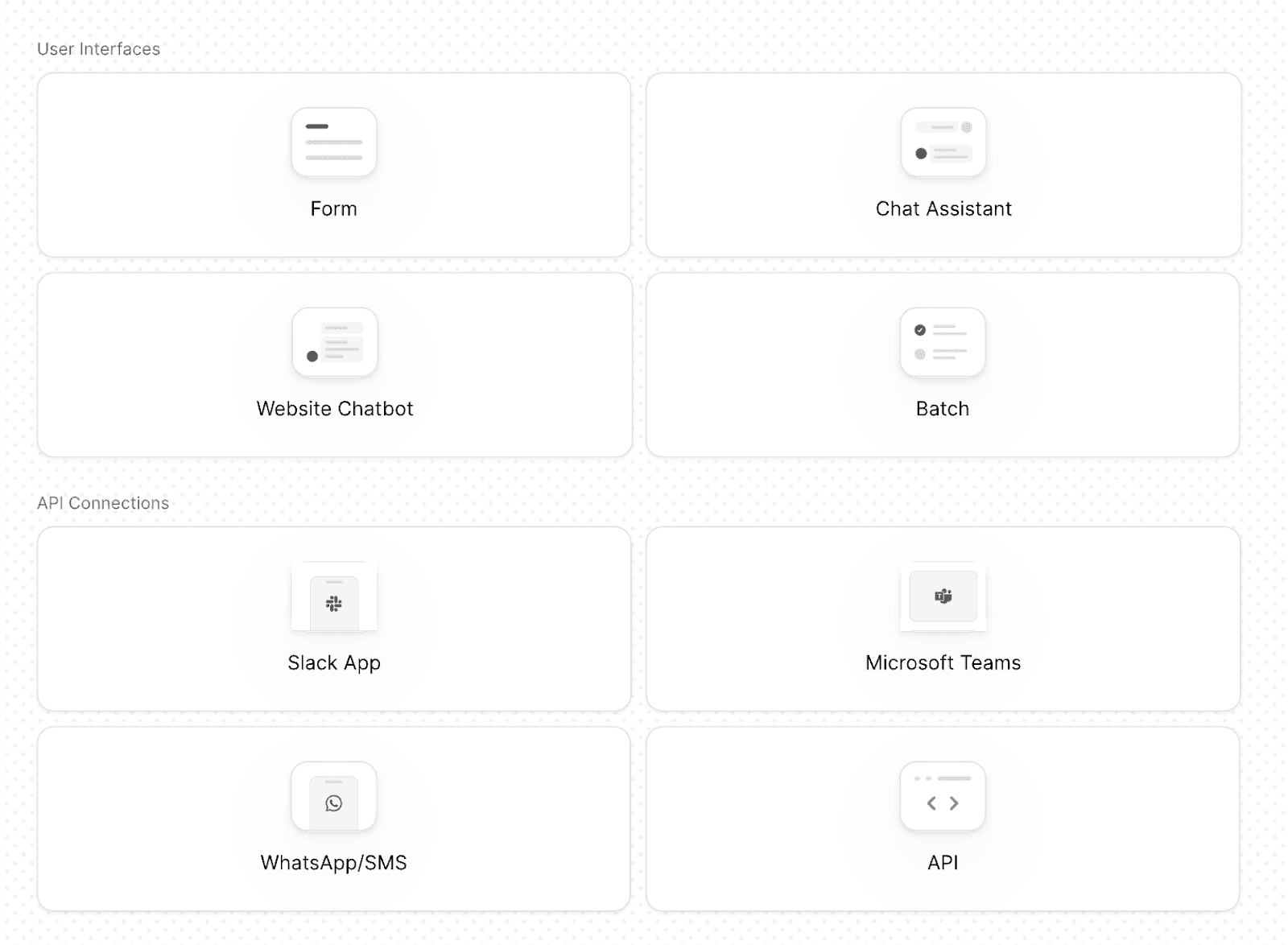
StackAI supports multiple deployment surfaces for the same workflow .
Export as chat assistant, form, batch interface, website widget, messaging bot, or API endpoint .
Batch processing is useful for document or dataset runs that are not conversational.
Branding and access controls support internal and external-facing deployments.
Moveworks
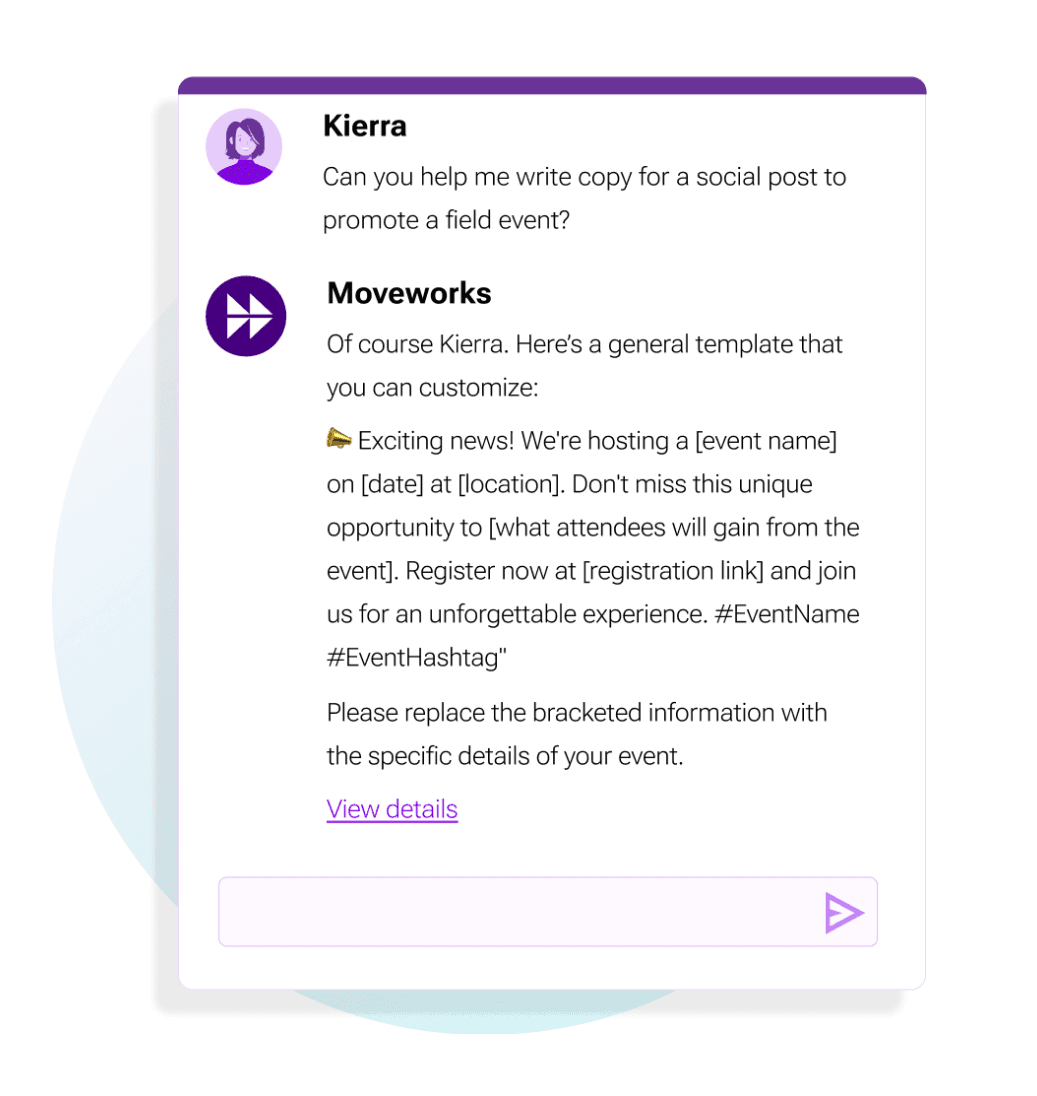
Moveworks focuses on one employee assistant experience across collaboration tools and portals.
Primary surfaces: Slack, Teams, and web experience .
Headless API supports embedding the assistant in other apps and portals .
Experience focus helps adoption in organizations where employees live in chat tools.
Governance and admin controls
Governance covers who can build, what they can use, and how outputs expose evidence and sources.
StackAI
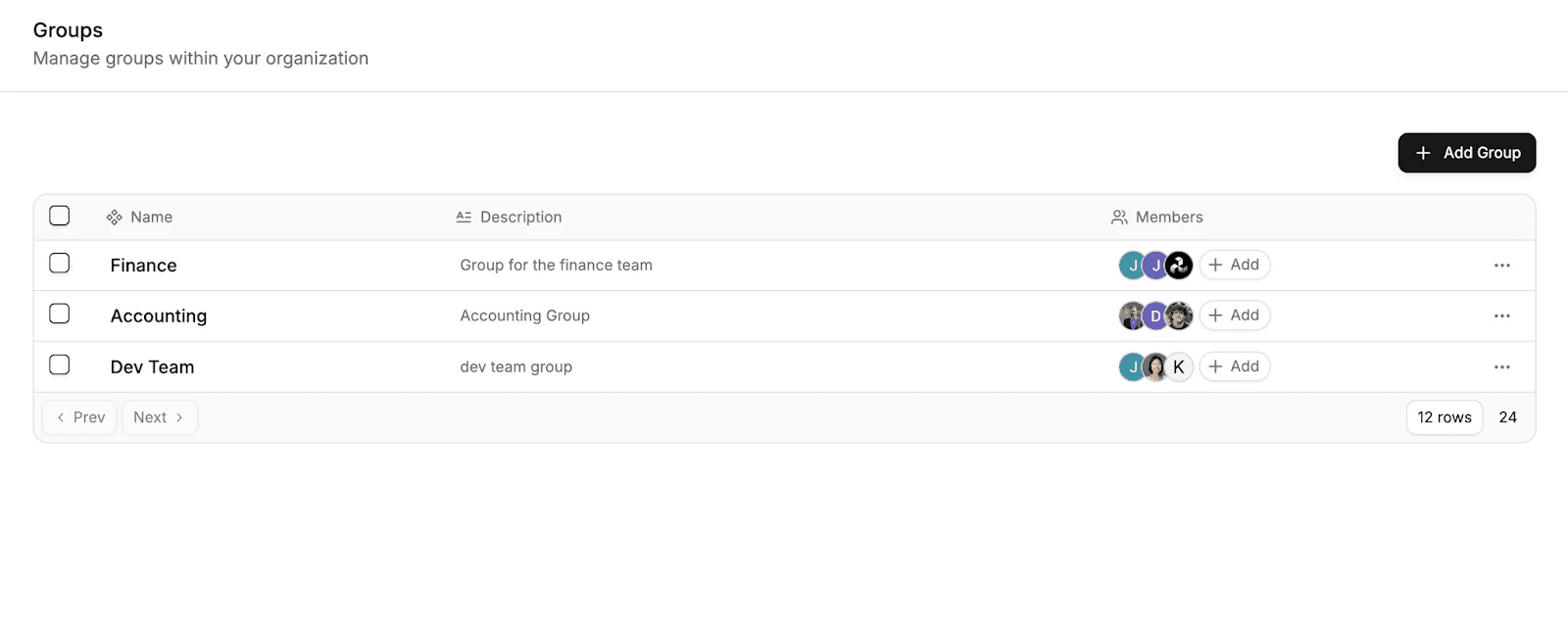
StackAI provides Feature Access Control and controls for citation visibility and source access .
Admins can restrict which features and models appear for builders .
Controls exist for citations and source exposure, which helps avoid accidental data leaks .
Explicit workflow steps help reviews and change control, since the path is visible.
🔗 Learn More: To learn more about governance on StackAI, check out this comprehensive report.
Moveworks
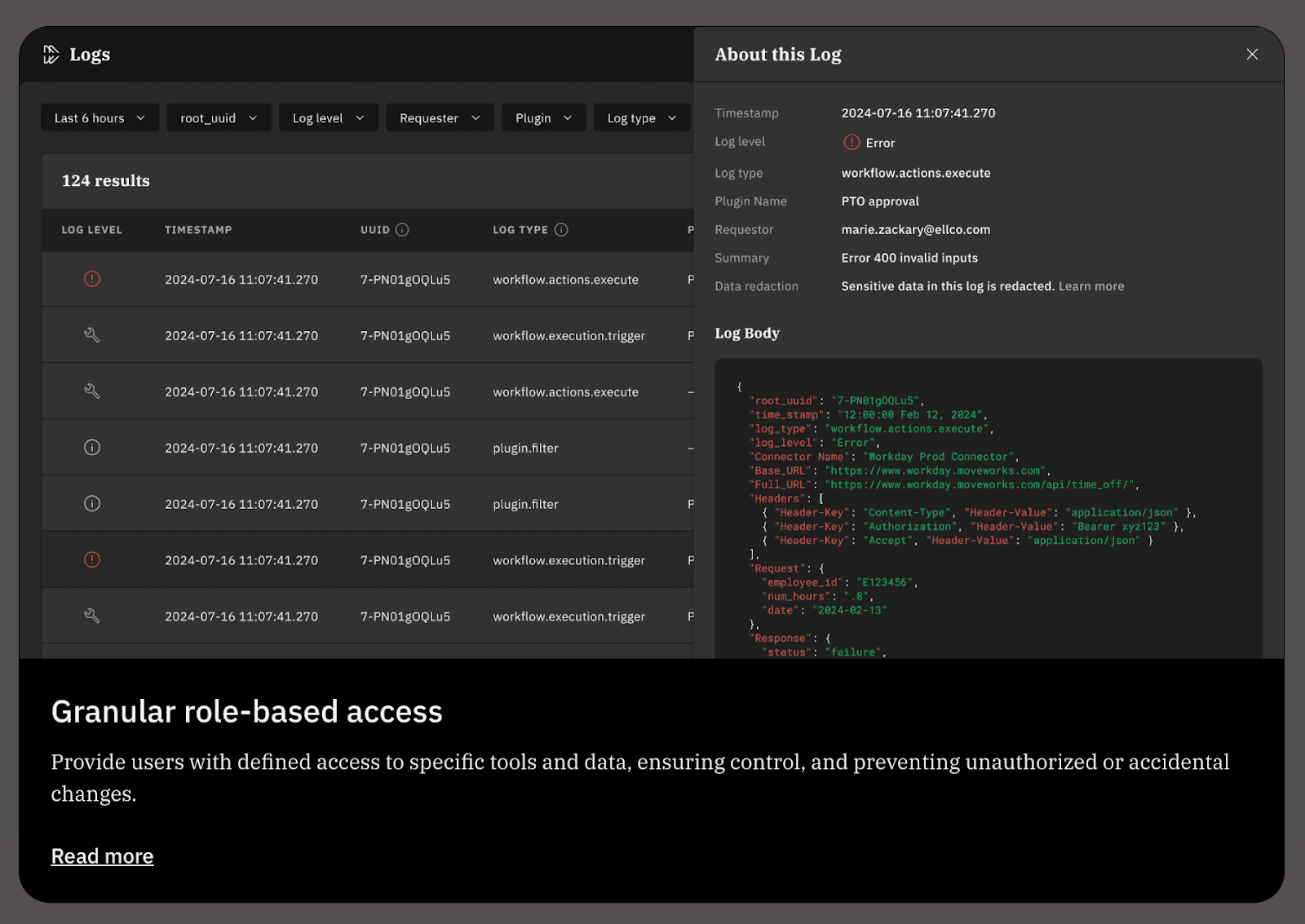
Moveworks uses scoping and centralized assistant experience as governance levers .
Scoped Assistants limit what each assistant can access, which helps reduce blast radius .
Central assistant experience helps keep messaging and policy phrasing consistent.
Security and data handling
Security is not only certifications. It is also how a platform reduces risk in normal use, including transcript and data handling patterns.
StackAI
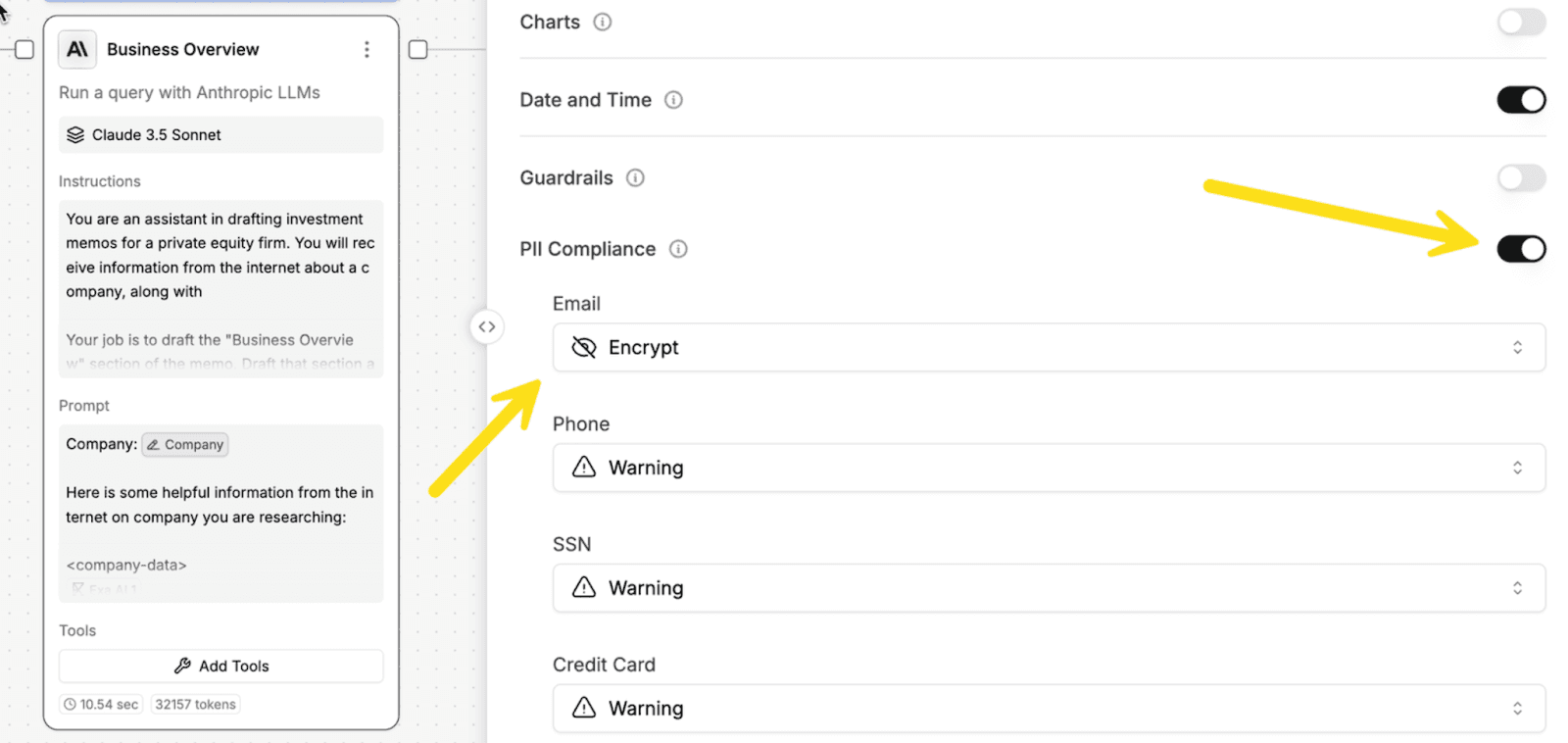
StackAI reduces risk through explicit workflows and control over how sources show up to users.
Workflow structure helps reviews: teams can see which systems are touched and what outputs are produced.
Source exposure controls reduce risk of over-sharing sensitive files .
Project boundaries support least-privilege design across teams.
Moveworks
Moveworks reduces risk through scope boundaries and service-aligned access patterns.
Actions often run through existing service systems and identity controls, which helps keep work inside approved paths.
Scope boundaries reduce accidental cross-domain actions.
Data stories often tie back to service governance and employee support operating models.
Reuse and scaling patterns
If you want value beyond a single pilot, you need reuse: repeat patterns without repeating effort.
StackAI
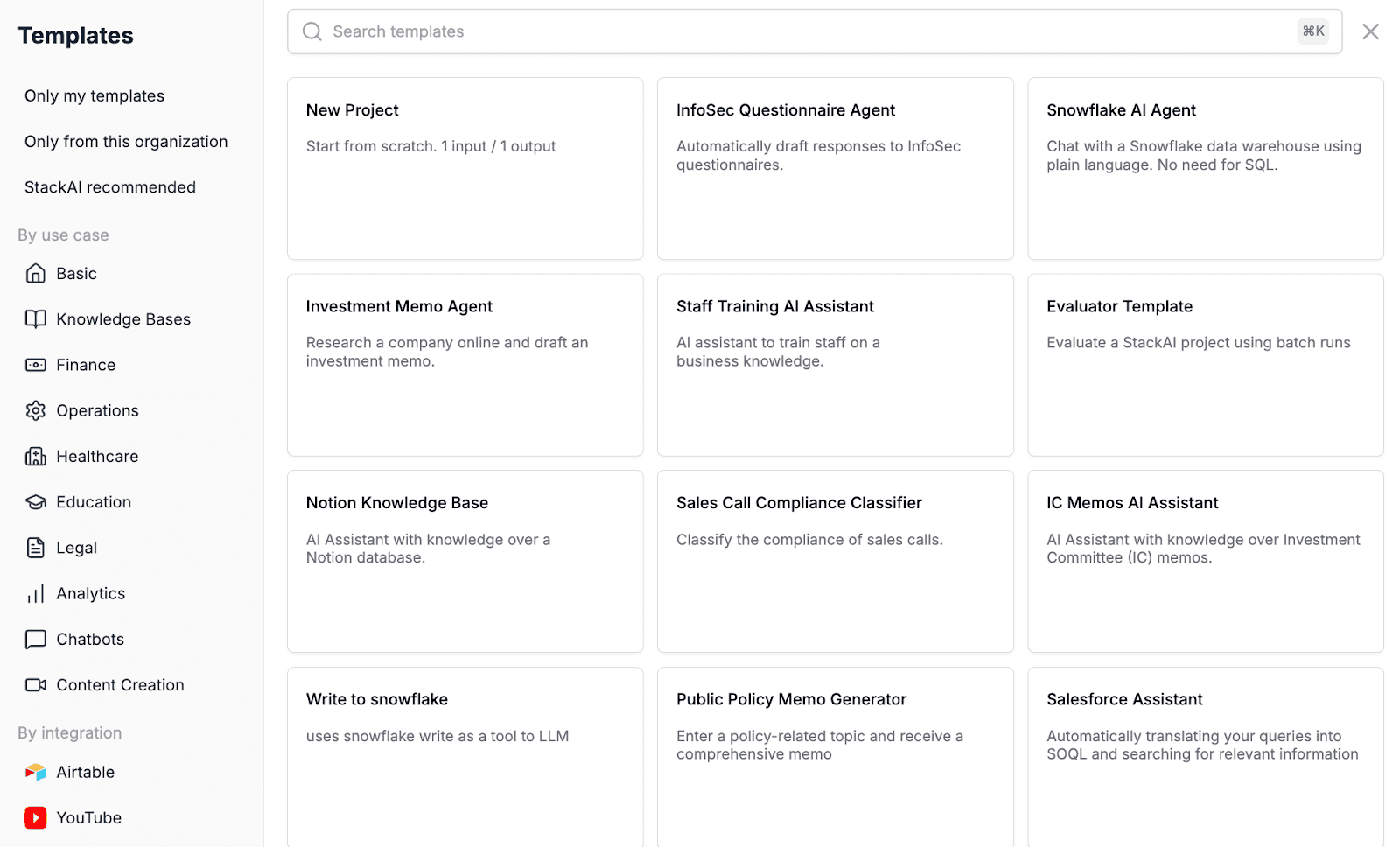
StackAI scales through reusable workflows, templates, and shared components .
Template patterns help standardize workflows across teams.
Workflows can ship in different interfaces without rebuilding logic each time.
They can also produce a draft workflow that teams then standardize into templates .
Moveworks
Moveworks scales through scoped assistant patterns and installable capabilities.
Scoped assistants act as repeatable units for domains like IT and HR .
Agent marketplace supports reusable skills and integrations.
Scaling story tends to focus on expanding issue coverage across the assistant.
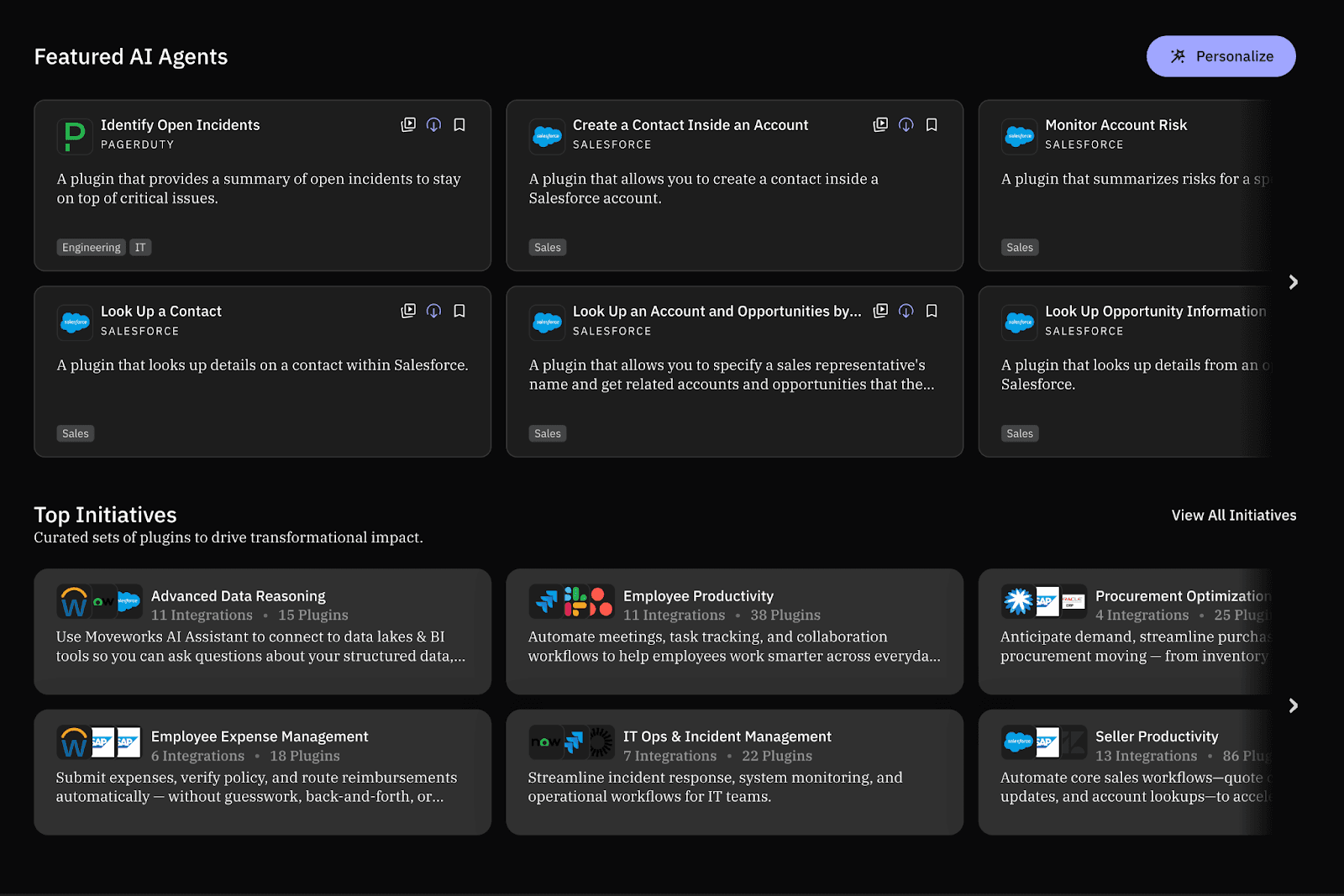
Evaluation, monitoring, and analytics
Once AI systems move beyond demos, evaluation and monitoring become central. Teams need to understand how workflows behave over time, where errors occur, how models perform, and how changes affect outputs. This is especially true when AI is embedded into operational workflows rather than simple chat experiences.
StackAI
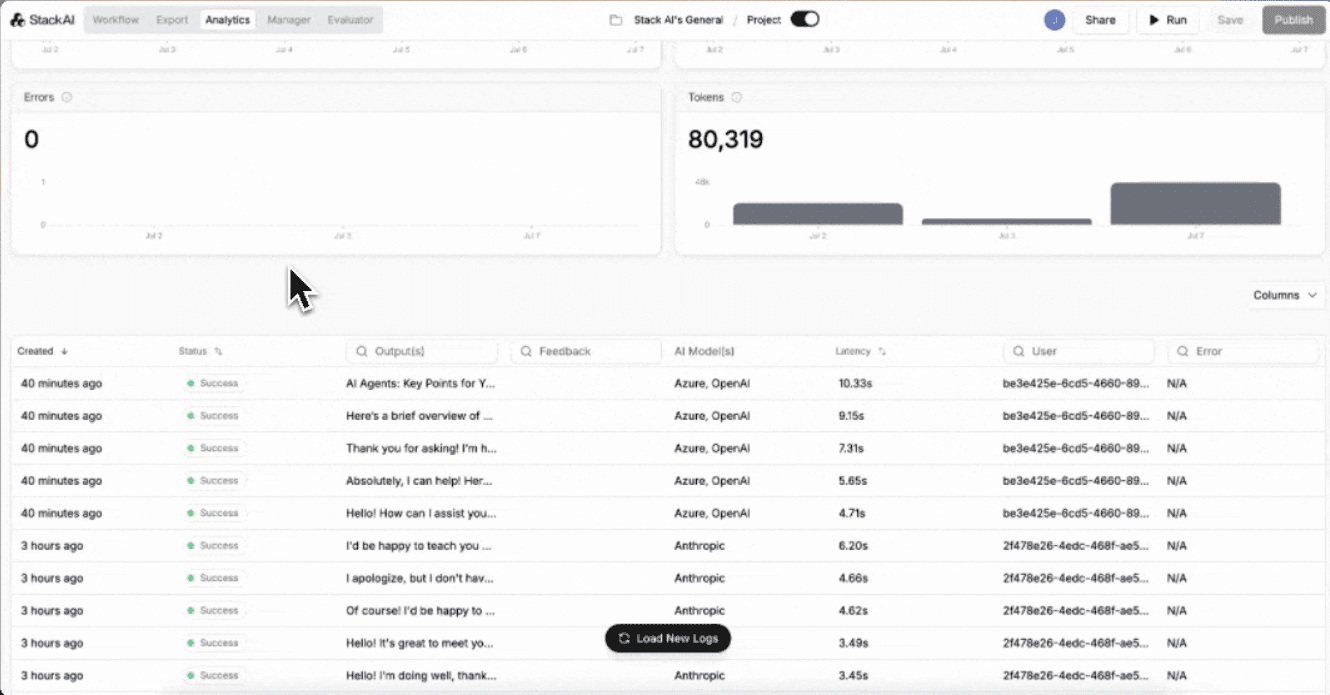
StackAI treats evaluation and monitoring as part of the build lifecycle, not something added later. From the same project where workflows are designed, teams can inspect execution logs, latency, model usage, and failures at a granular level.
Built in evaluation and monitoring as part of the workflow build lifecycle
Detailed execution logs for every run, including model used, latency, errors, and success state
Clear visibility into how each step in a workflow behaves, not just the final output
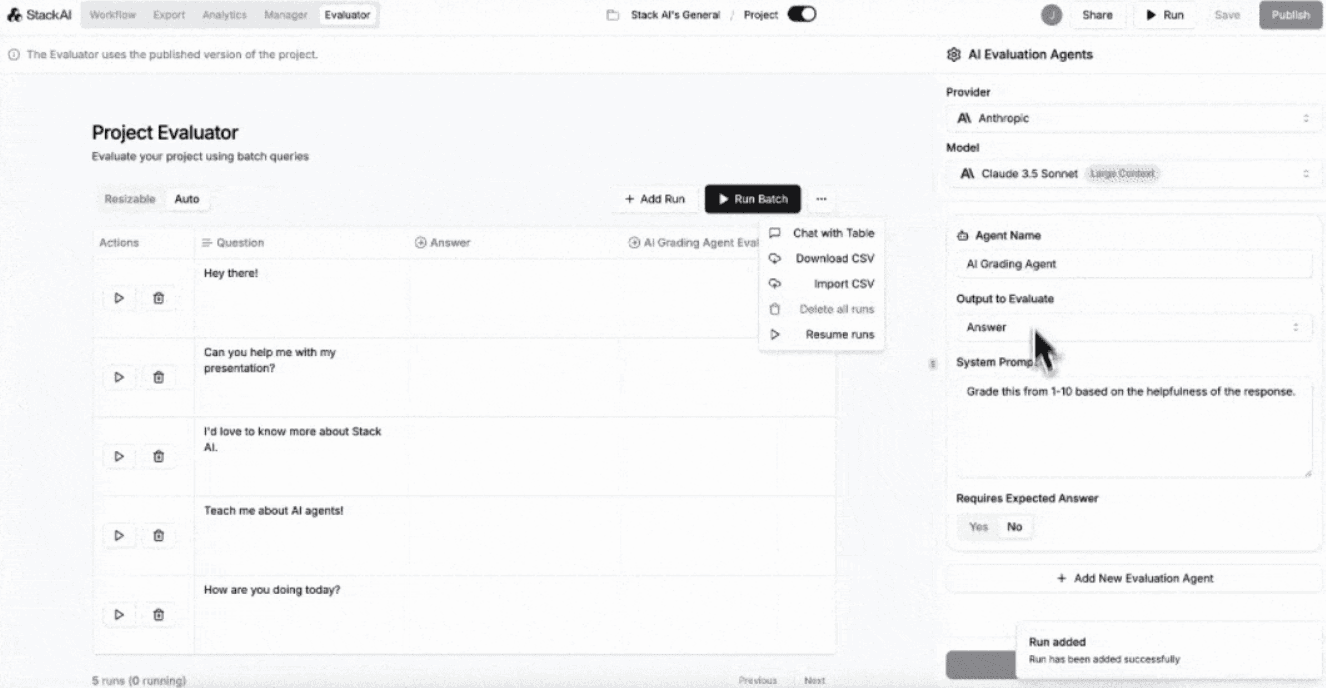
Dedicated Evaluator interface for batch testing prompts and outputs at scale
Support for repeatable, auditable evaluation runs tied directly to production workflows
Enables fast iterate and improve loops for teams that need reliability and traceability
Moveworks
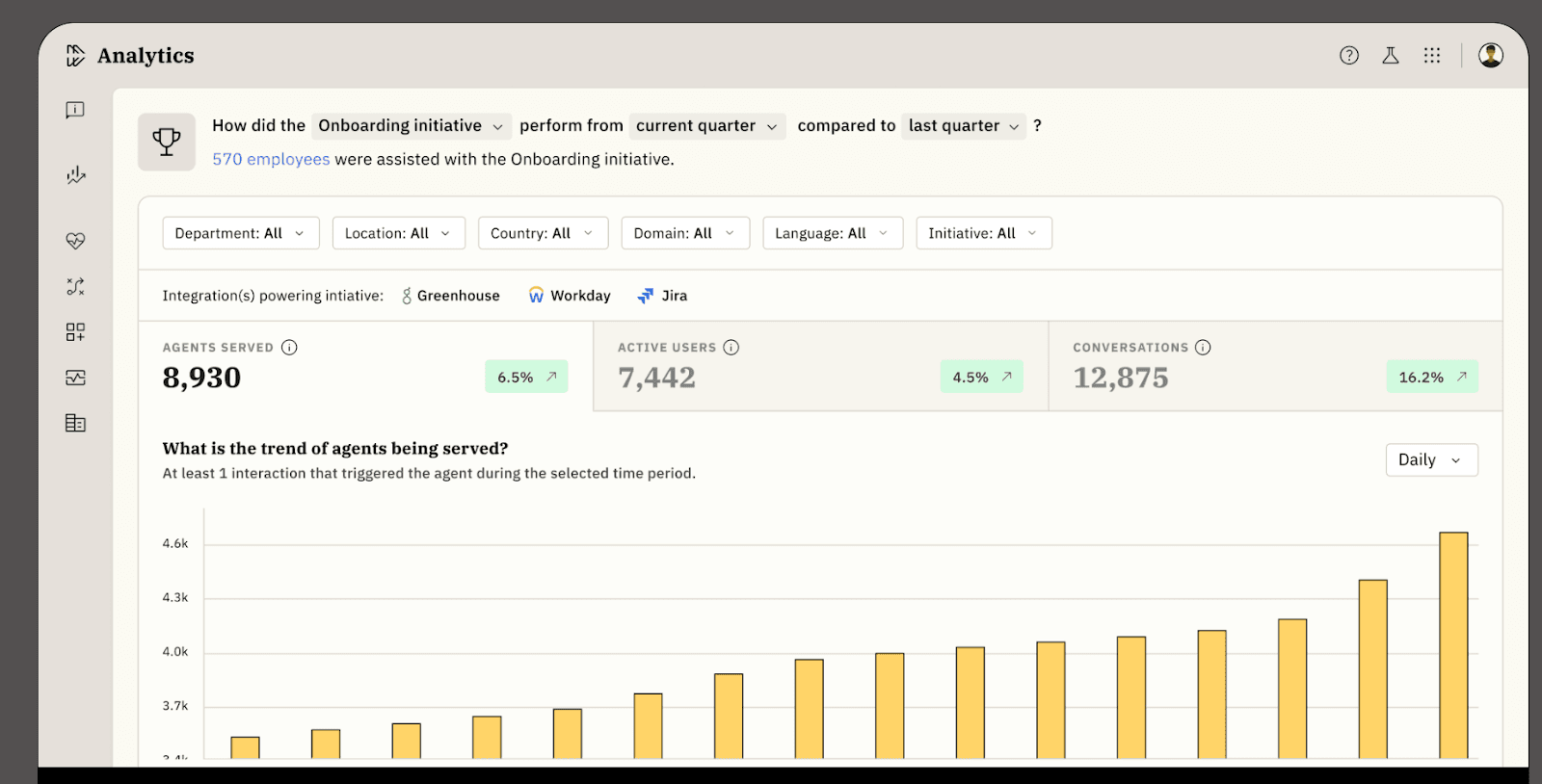
Moveworks approaches analytics from a different angle. Its strength is not low level workflow inspection, but business level insight into employee support performance.
Analytics focused on employee experience and service outcomes
Dashboards showing adoption, conversations, assisted users, and resolution trends
Strong visibility for leadership into support performance across departments and initiatives
Employee Experience Insights surface friction points and usage patterns at an aggregate level
Less focus on step by step workflow evaluation or direct model output comparison
Decision guide
A practical way to decide is to write down your top five automation goals then label each one as:
Cross department automation (many teams, many systems)
Document heavy work (PDFs, extraction, generation, evidence)
Employee support resolution (IT, HR, service desk)
Now ask one extra question that usually decides the outcome fast: Do you want one assistant for support, or a platform to build many AI “workers” across the business?
When StackAI is the right fit
You need breadth, not just support. You want to build workflows for IT, ops, finance, sales ops, research, and enablement, not only an employee help assistant.
Your workflows are truly multi step. You need branching logic, tool routing, retries, and complex orchestration that looks and feels like an automation canvas, not a fixed support flow builder.
You want deeper agent actions. Your agents need to browse, run code, work with files, and use terminal style steps when needed.
Documents are central to the work. You are extracting structured data, generating outputs (Word/Docs), and controlling exactly what sources users can see or download.
You want speed plus control. Workflow builders get you to a strong first draft quickly, then you can refine into production workflows, templates, and reusable patterns.
You want one platform to standardize automation. Templates, exports, and project portability make it easier to scale across teams without rebuilding from scratch.
When Moveworks is the right fit
Employee support is the product. Your main goal is to reduce tickets, resolve common issues, and guide service requests inside Slack, Teams, or a portal.
You want a tightly scoped assistant model. You prefer predefined governance boundaries per department and a higher level configuration approach for support oriented capabilities.
Success is measured mainly through service outcomes. Your leadership cares most about deflection, time to resolution, and employee experience metrics.
You need a consistent assistant layer across surfaces. Especially if you want to embed the assistant across channels using a Headless API.
Final thoughts
Moveworks is a good choice when the goal is clear and narrow: deliver a high quality employee support assistant for IT and HR style workflows, with governance built around scoped assistants and service outcomes.
StackAI is stronger when the goal is bigger: build a reusable enterprise automation layer where AI is not only answering questions, but also doing work. That means orchestrating tools, running multi step logic, handling documents end to end, and deploying the same workflow through different surfaces like chat, forms, batch runs, widgets, bots, and APIs.
StackAI can handle employee help and support flows, but it does not stop there. It also covers document pipelines, data and analytics automations, cross system actions, and custom agentic workflows that many organizations otherwise end up solving with multiple tools. Over time, that breadth can reduce platform sprawl and make AI delivery easier to scale across the business. Want to see custom use cases for your enterprise? Get a demo here.

Ana Rojo-Echeburúa
Growth at StackAI
Mathematician turned AI consultant and educator. Passionate about helping businesses and individuals use data, cloud, and AI to solve real-world problems.