Dec 8, 2025
With dozens of AI platforms flooding the market, it’s easy to get lost trying to assemble a stack that actually works in production. This guide puts the landscape in one place. It’s a practical, non-hyped view of the platforms shaping how agentic AI is being built today—who each platform is actually for, what tradeoffs they carry, and where they fit (or don’t) in an enterprise stack—so you can make a grounded decision based on your use case, risk profile, and scale.
Overall, in 2026, we see enterprises moving past experiments with isolated chatbots or one-off automations, and instead standardizing full agent and workflow infrastructure. These systems connect to real data, take real actions, and operate under real security, compliance, and reliability constraints—non-negotiable for enterprises in regulated industries. Read on for our full breakdown of the leading enterprise AI agent building platforms in 2026.
TL;DR Comparison Table
Platform | Best Suited For | Ease of Use | Templates | App Integration | Pricing |
StackAI | Individuals and enterprise teams wanting governed, no‑code AI workflows and document‑heavy apps | High; suitable for both non‑technical and technical users | High; 100+ app and workflow templates | High; visual apps, API endpoints, enterprise connectors | Free plan; enterprise custom |
Gumloop | Ops and GTM teams automating data‑centric processes across SaaS tools | High; fast ops automations & AI workflows | Medium; some prebuilt workflows | High; APIs + popular apps (Sheets, Notion, Airtable, CRMs) | Medium; free tier; paid from $37/mo |
Glean | Knowledge‑heavy enterprises needing AI work assistant & internal search | High for end‑users; admin setup needed | Medium; focus on search/assistant patterns | High; broad enterprise app connectors, permission‑aware | Enterprise contracts; per‑seat, not public self‑serve |
n8n | Technical ops/dev teams building precise agentic automations at scale | Medium; developer‑friendly visual builder | Large library of workflows and AI/agent examples | 400+ integrations plus HTTP/custom code | OSS self‑host free; hosted from ~¢29–$20/mo; enterprise custom |
Google AgentSpace | Google‑centric orgs building Gemini agents over Workspace & Cloud data | Medium; best for existing Workspace users | Medium; Gemini/Workspace‑oriented agent blueprints | High within Google stack; connectors/APIs for others | Per‑user Gemini Enterprise licensing plus usage‑based elements |
MS Copilot Studio | Microsoft 365/Dynamics customers extending Copilot with custom agents | High; low‑code Power Platform patterns | High; Q&A, task bots, and process copilots | High across Microsoft stack + Power Platform connectors | Many scenarios bundled with M365 Copilot; some autonomous usage billed separately |
OpenAI AgentKit | Product teams building first‑party agents on OpenAI models | Medium; dev‑first SDK experience | Medium; starter samples and blueprints | Medium–High; SDK, actions, and connectors/MCP to tools and data | Usage‑based on OpenAI API and model consumption |
Boomi Agentstudio | Large enterprises standardizing agent governance on existing iPaaS | Medium; aimed at integration teams | High; agent blueprints and reusable components | High; leverages Boomi’s large connector catalog | Enterprise licensing layered on Boomi; custom |
Writer | Marketing, CX, and comms teams needing brand‑safe content workflows | High; document‑like UX | Medium; content‑type patterns (emails, web, support) | Medium–High; browser, CMS/CRM, and API embedding | Per‑seat SaaS; team and enterprise tiers via sales |
Kore.ai | Contact centers and HR teams deploying virtual assistants and voice bots | Medium; suited to CX/HR specialists | High; industry and role‑specific bot templates | High; CX channels (voice, chat, messaging) + CRM/ITSM/HRIS | Medium–High; enterprise contracts (bot/MAU/usage‑based) |
Dust | Mid/large orgs deploying multi‑domain internal agents with rich data context | Medium | Medium–High; internal assistant presets by function | Medium–High; connectors for common SaaS and data stores | Medium–High; enterprise, not self‑serve |
Distyl AI | Enterprises wanting bespoke AI systems plus services | Low for self‑serve; service‑led | Low; mostly custom engagements | Medium; integrates into existing enterprise tools | High; project and retainer‑style engagements |
Dify | Dev teams wanting open, end‑to‑end LLM app/agent tooling | Medium; visual + config‑driven | App templates and marketplace | Wide model and vector‑DB support; plugins and APIs | Free tier; paid from ~$59/mo |
Orby | Teams automating structured workflows with AI execution over existing apps | Medium | Medium–High; packaged support/back‑office workflows | Medium; connects into major support/ops systems | Medium; usually per‑seat or per‑process enterprise pricing |
Sema4.ai | Enterprises exploring agentic orchestration across tools and data | Medium; for technical innovation teams | Medium–High; starter agents and orchestration patterns | High; focus on secure enterprise systems and data/tool connectivity | Medium–High; early‑stage, enterprise‑negotiated |
Langflow | Engineers/researchers needing a customizable multi‑agent/RAG canvas | Low for non‑devs; dev‑oriented | Starter examples for RAG/agents | Major LLMs, tools, and vector DBs; extensible via code/HTTP | Self‑host free (OSS); managed cloud via partners (varies) |
Flowise | Startups/devs wanting a self‑hostable visual builder for LLM/RAG agents | Medium; easier than raw LangChain | Community examples for chatbots and RAG | Major LLMs + vector DBs; HTTP and function‑style nodes | OSS free; hosted free tier; Starter around $35/mo |
Make | Business technologists building SaaS automations with occasional AI steps | High; drag‑and‑drop “scenario” builder | High; large automation template gallery | High; hundreds of SaaS connectors + HTTP; AI as another module | Free with ~1,000 ops; paid from ~$9/mo annually, usage/step‑based pricing |
Top AI Agent and Workflow Builders
These apps repeatedly made the cut, spanning agents, RAG experiences, and day‑to‑day automations. Let’s look at them one by one.
StackAI
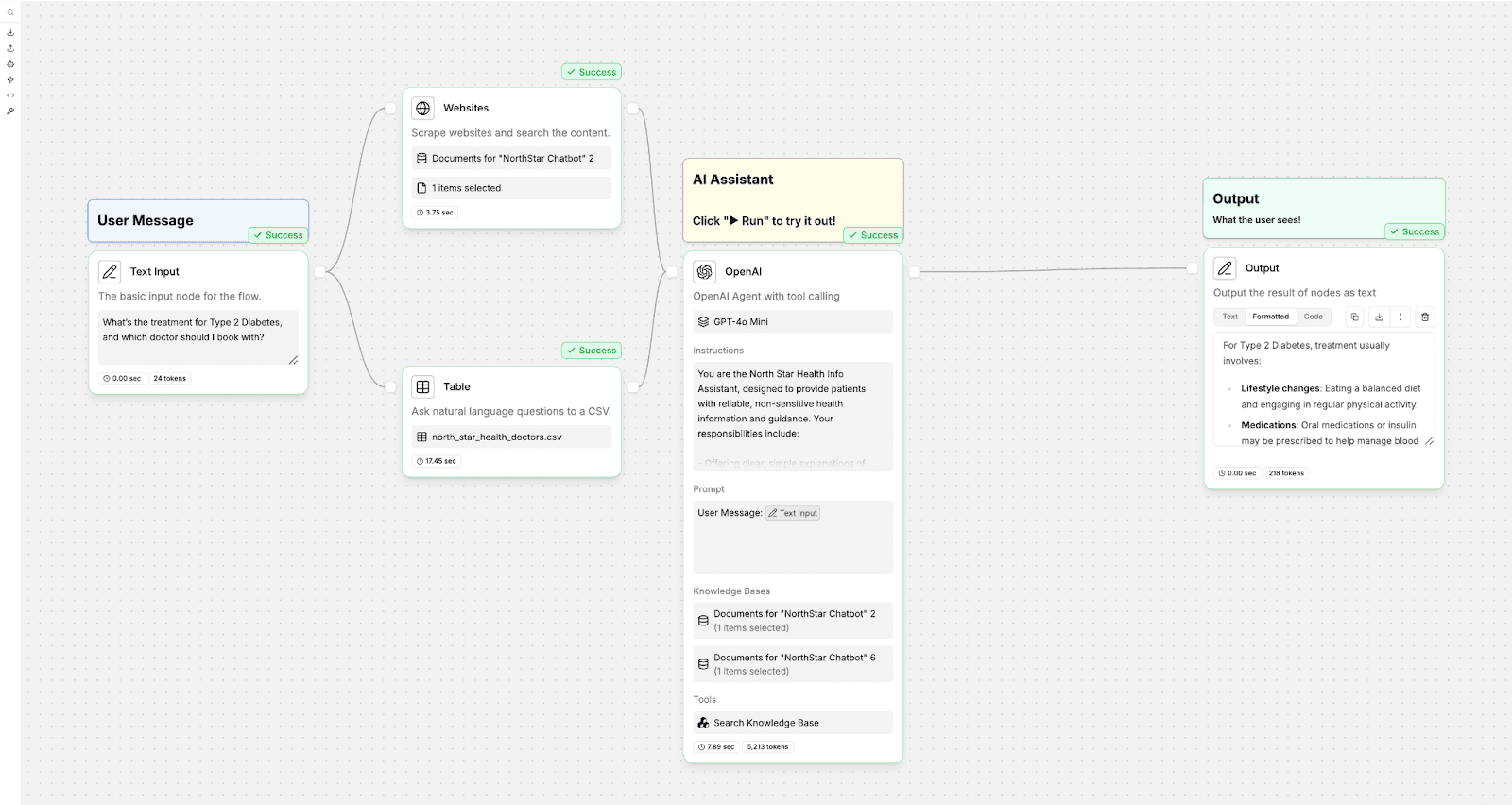
StackAI is a platform designed for organizations that take security, governance and real-world AI seriously. It gives teams a clean visual builder, solid analytics, proper access controls and strong support for document-driven workflows. It works especially well for mid to large companies where business teams want to launch compliant automations quickly, while engineers still have the freedom to extend everything with code or API nodes.
What we love about StackAI is the clarity in the build-to-deployment journey. You can turn an idea into an internal app or a fully functioning API without friction, and teams across the business can start using it straight away. And because governance is already baked in (roles, audit logs, controlled environments, source-level oversight) IT and compliance don’t need to patch together extra tooling just to keep everything safe.
A genuinely strong option for teams that want production-ready agents without the chaos.
Pros:
A really smooth no-code workflow experience with proper enterprise security behind it. You get a broad connector library, support for multiple models, and plenty of flexibility in how you deploy. The visual builder lets you publish as a form, a chatbot, a batch process, an API and more. There are ready-made templates for sales, support, compliance and other core functions. Governance is strong too, with environments, role controls, audit history, plus built-in evaluation and monitoring so teams can track performance from day one.
Cons: Pricing moves into enterprise levels fairly quickly—self-serve tiers aren’t as adaptable once you start scaling. Solid connector library, but particularly optimized for enterprise use cases rather than SMBs.
Gumloop
Gumloop focuses on the “everyday work” of ops teams. It is great at moving data between SaaS apps, running an AI step, and writing results back where people already work. The onboarding is very smooth and anyone can build something useful in hours.
Gumloop lets you connect LLMs with your core business systems without touching code. It’s great for operations and revenue teams that want AI to read, enrich, and act on data across tools like Salesforce, Stripe, Zendesk, calendars and more. Fast to build, easy to maintain.
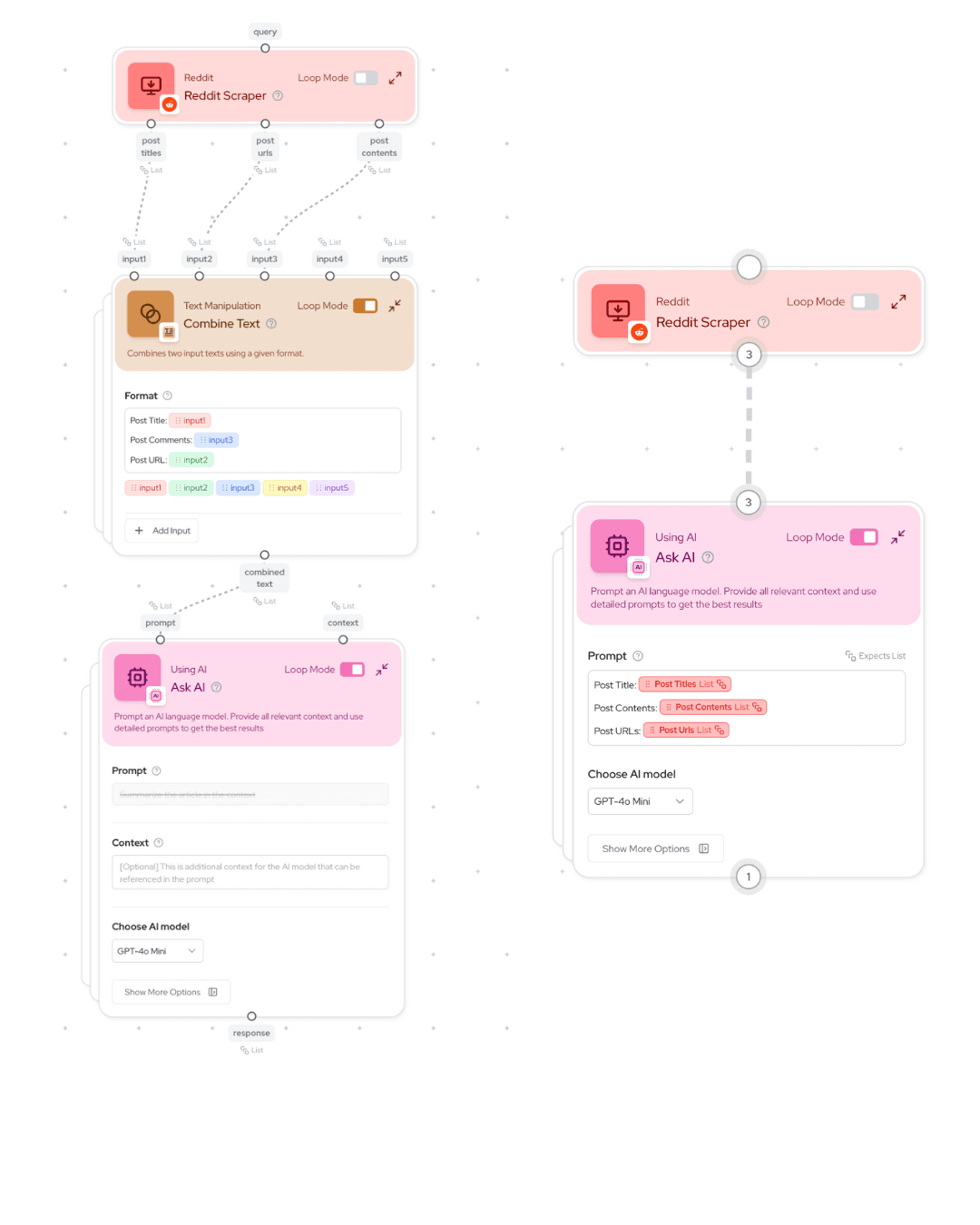
Pros: Built for data driven automations, strong integrations with GTM and ops tools, and a very approachable builder.
Cons: Not ideal for deep multi agent setups, smaller ecosystem, and lighter governance compared with older enterprise automation vendors.
Glean
Glean is an internal AI work assistant. Search, RAG, and conversational interfaces that help teams find answers across company knowledge and build lightweight chat apps on top. Best for knowledge-heavy organizations that need trustworthy internal search rather than a basic chatbot.
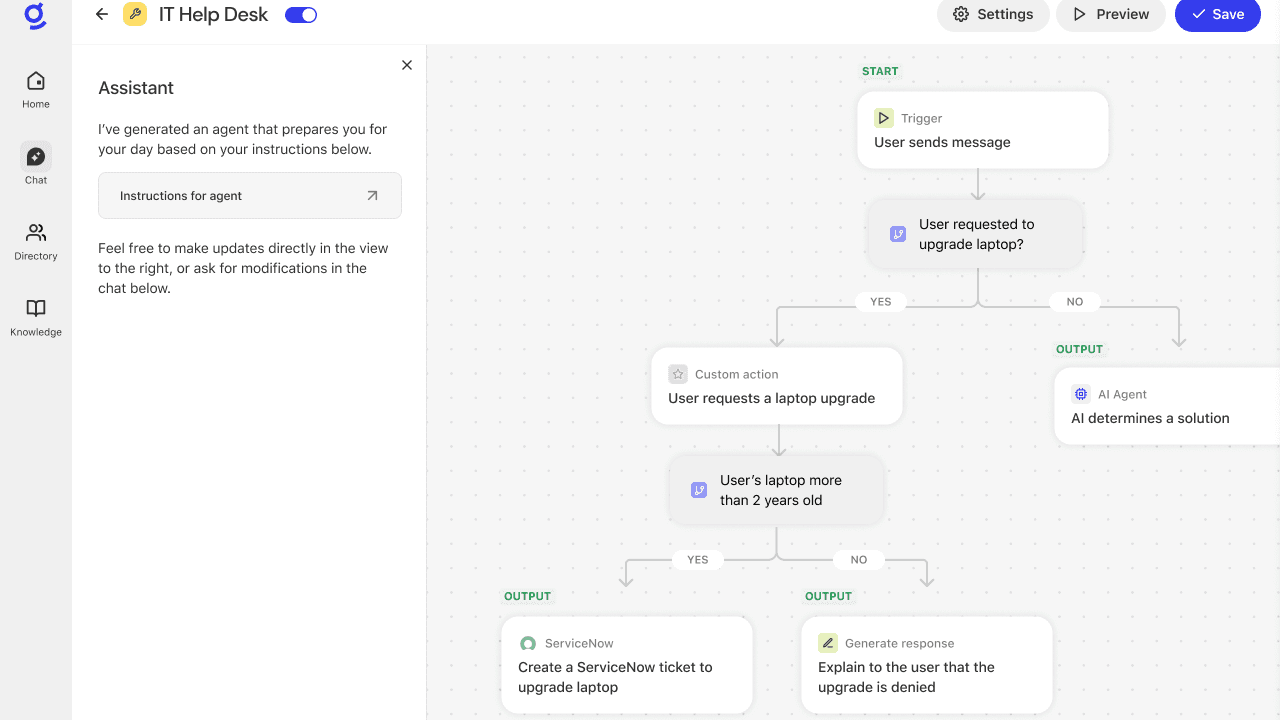
Pros: One of the strongest enterprise search and RAG experiences, excellent connectors, and a polished AI work assistant interface.
Cons: Value really shows at company scale, and much less flexible as a general agent framework.
n8n
n8n is an extensible automation platform with full control. You get a visual workflow builder, huge integration coverage, error handling, and human in the loop steps. Great for technical ops and product teams that want precision, guardrails, and the option to self host.
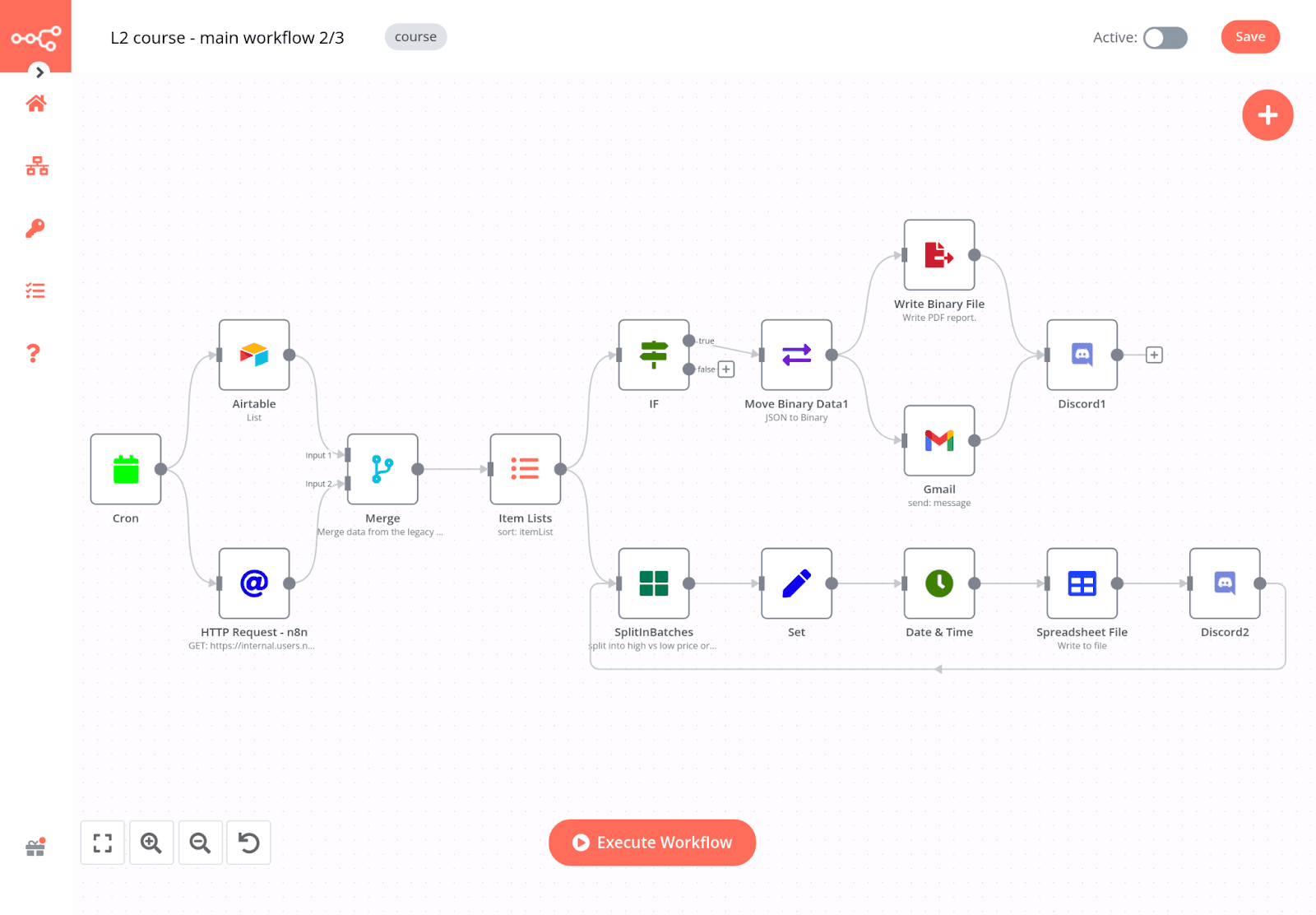
Pros: Extremely flexible workflows, self hosting available, huge integration library, and strong support for chaining AI actions and custom models.
Cons: Very steep learning curve for non technical users, more DevOps effort if you self host, and AI nodes need careful tuning.
Google AgentSpace
AgentSpace brings Gemini agents, enterprise search, content workflows, and automation into one space. Ideal for organizations already deep in Google Cloud that want tightly integrated agents across Workspace and internal data.
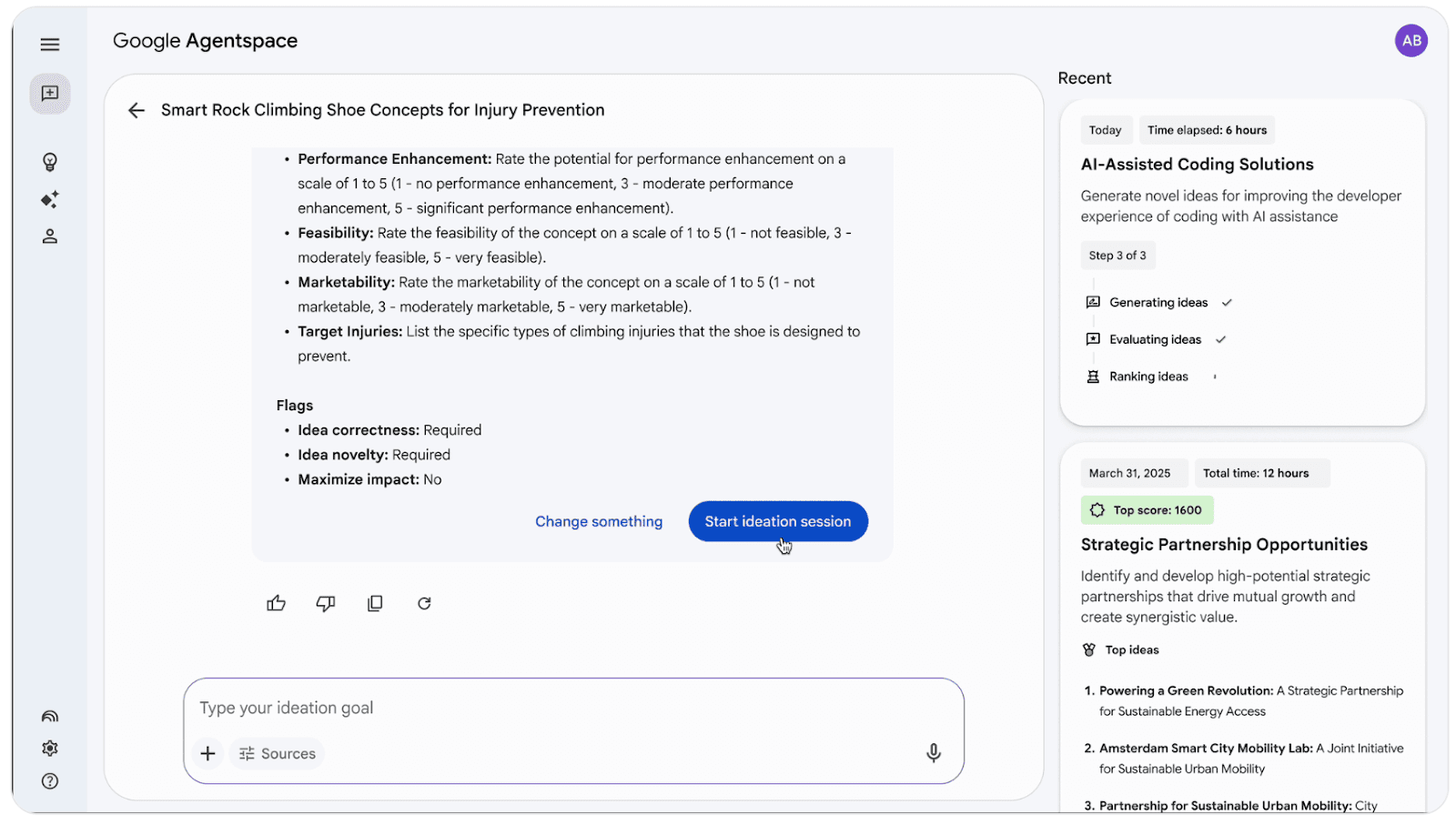
Pros: Deep integration with Gemini, Google Workspace, Google Cloud, and native enterprise search across internal data.
Cons: Most compelling if you already live in the Google ecosystem. Portability is limited outside it, and it is still newer than some of the alternatives.
Microsoft Copilot Studio
Copilot Studio lets you design custom agents that plug straight into Microsoft 365, Dynamics, and external data. Strong governance, low code, and perfect for organizations where everything already lives in the Microsoft ecosystem.
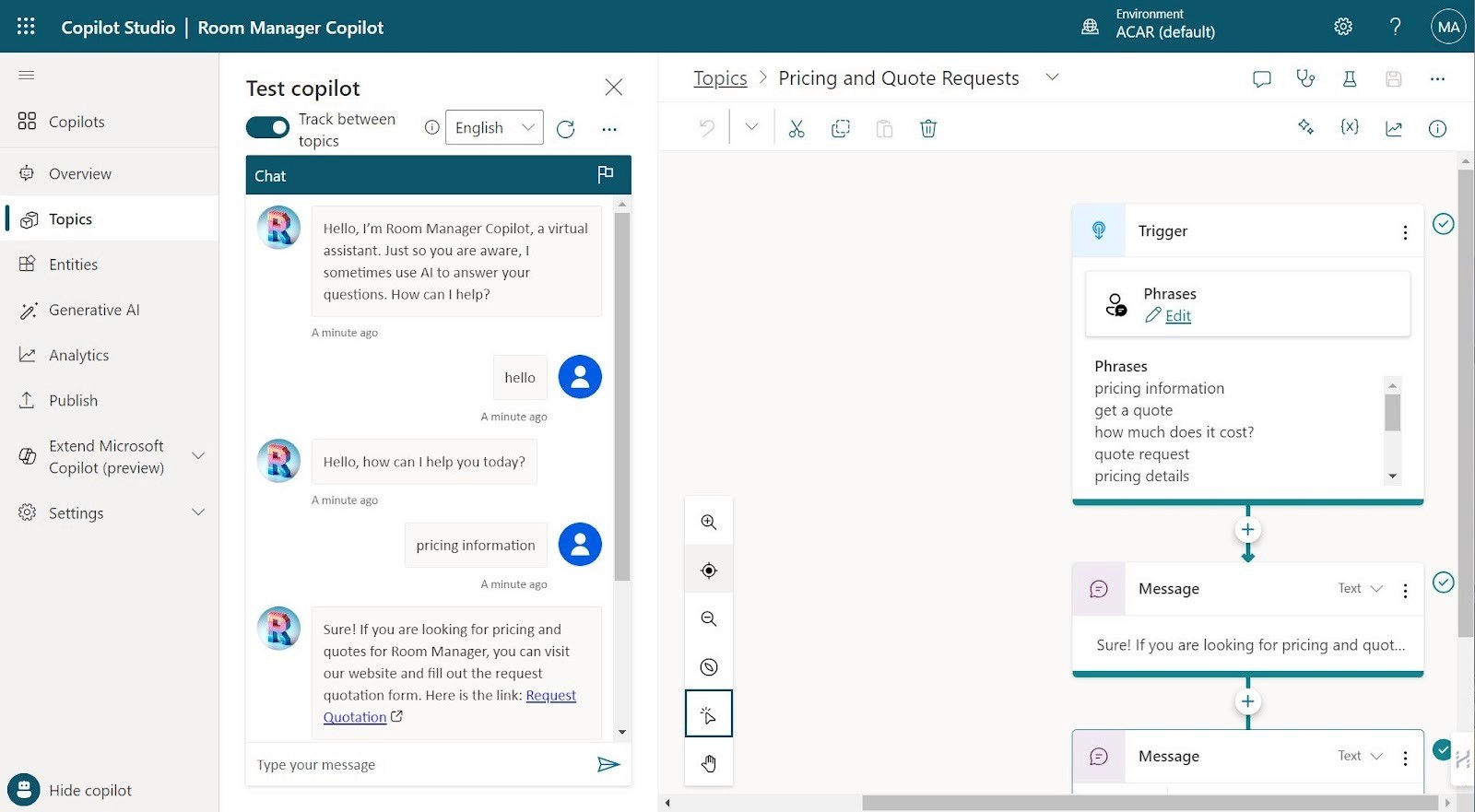
Pros: Very cohesive with Microsoft 365, Teams, and Dynamics, low code agent design, and strong governance and security controls.
Cons: Designed around Microsoft data and services, licensing can be confusing, and less relevant if your core stack is elsewhere.
OpenAI AgentKit
OpenAI AgentKit introduces a visual builder, connectors, and evaluation tools for multi agent workflows. Built for developers and product teams that want a first party way to orchestrate agents, manage tools and data, and embed the experience through SDKs.
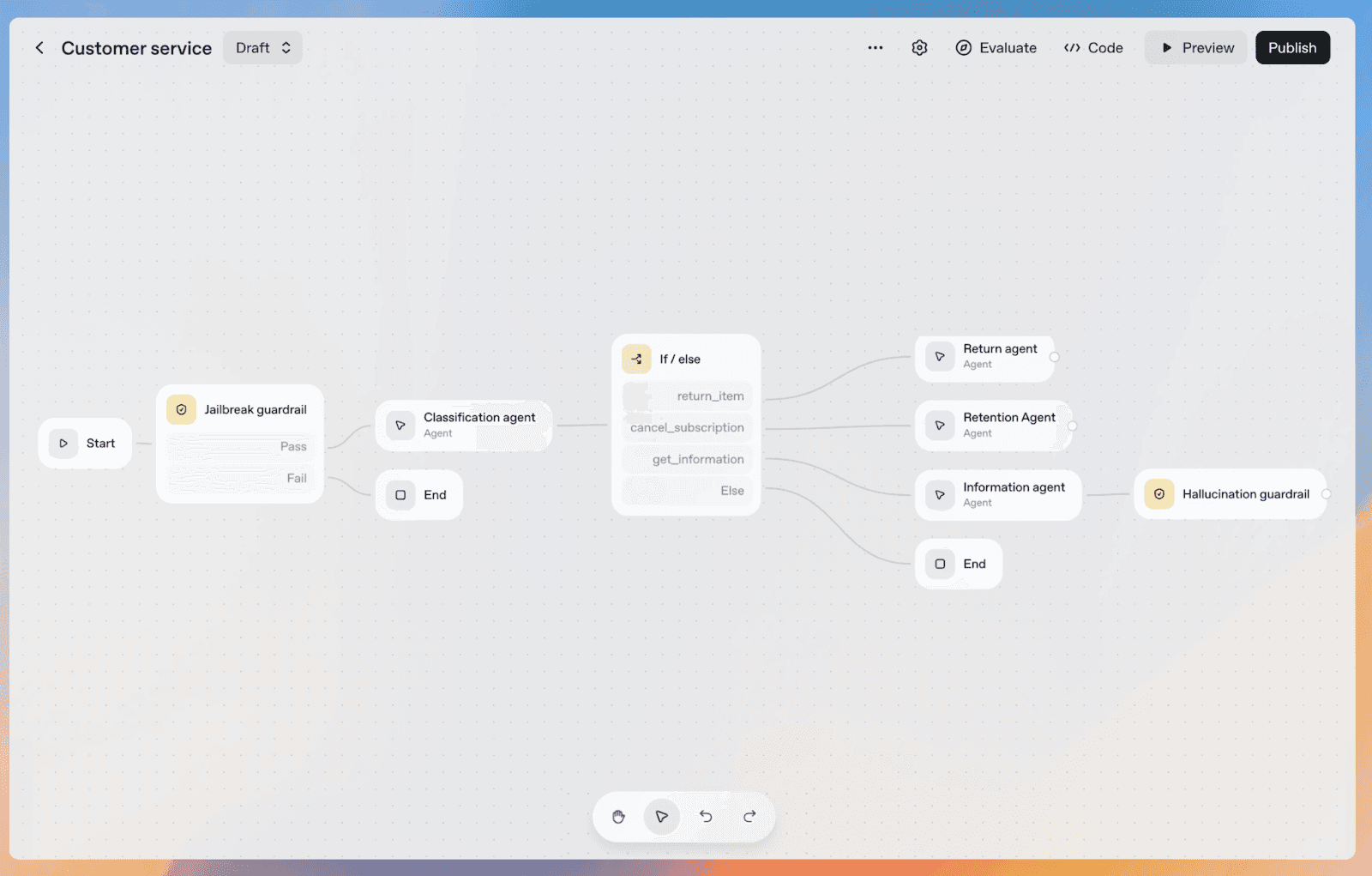
Pros: Clean first party experience for building agents with OpenAI models, plus connectors and evaluation tooling.
Cons: Fully tied to OpenAI’s ecosystem, still early, and advanced observability may require additional tools. Made for developers who want to create fast iterations, and not for non-technical teams.
Boomi Agentstudio
Boomi Agentstudio is built for enterprise scale. An agent registry, guardrails, observability, and MCP support. If you already use Boomi, this brings full agent governance into your existing integration layer.
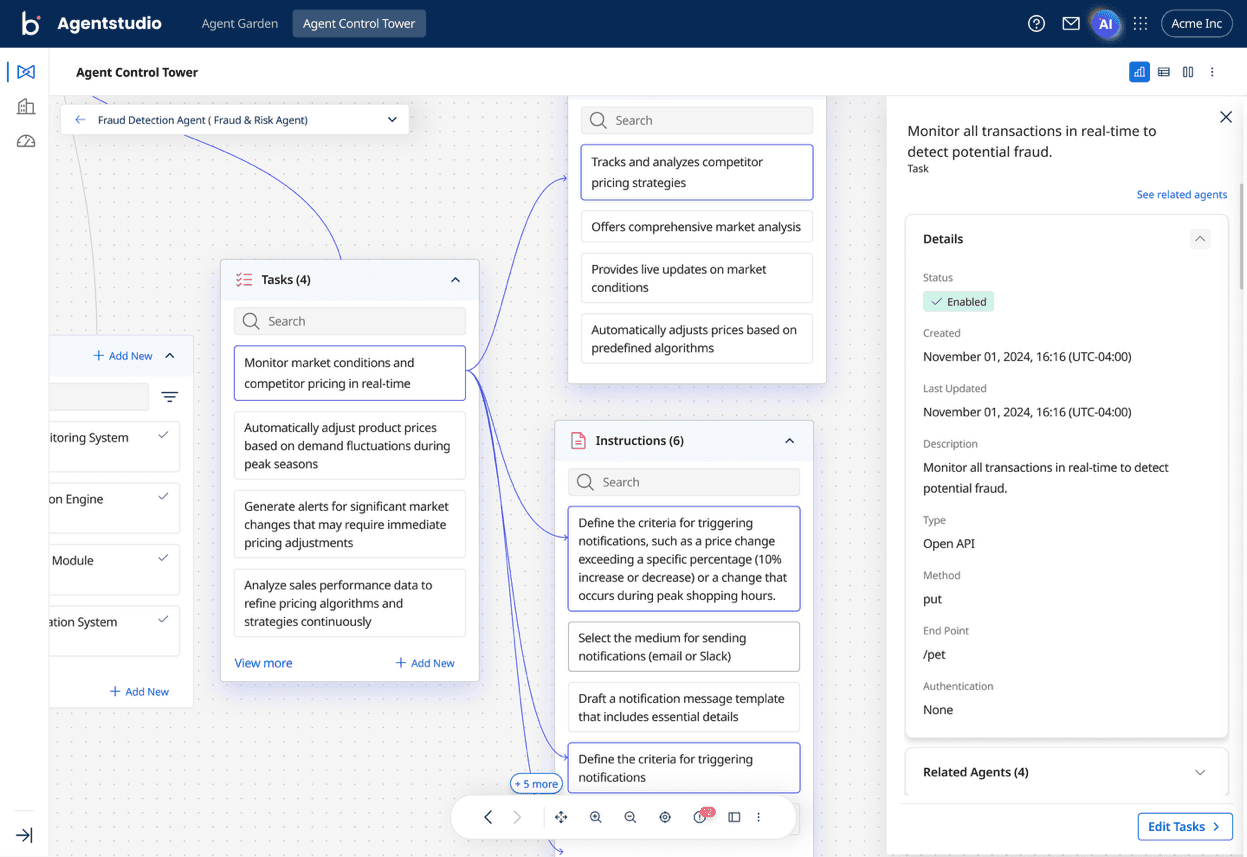
Pros: Strong governance and observability, lifecycle management for agents, and seamless fit with existing Boomi integrations.
Cons: Best for enterprises already using Boomi—not for those who have data and tools outside of the ecosystem. Heavier for smaller teams, and not aimed at independent builders.
Writer
Writer focuses on controlled, brand safe content creation. You get workflows, agents, and domain tuned models. This is the platform for marketing, CX, and documentation teams that can’t afford off brand or inconsistent outputs.
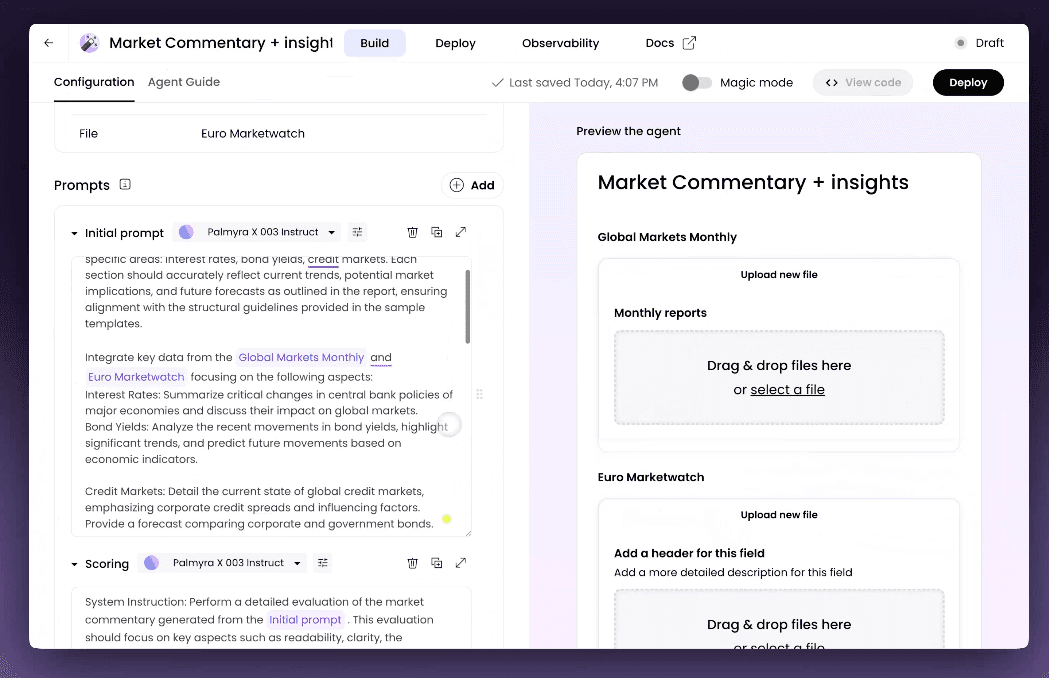
Pros: Perfect for brand safe content, terminology control, templates, and enterprise guardrails.
Cons: Narrower scope focused on content and communication, less of a general automation surface, and pricing aimed at larger teams.
Kore.ai
Kore.ai specializes in conversational and contact center experiences. Think virtual assistants, voice bots, dialog management, telephony, and analytics. Perfect for HR, support, and high volume service work.
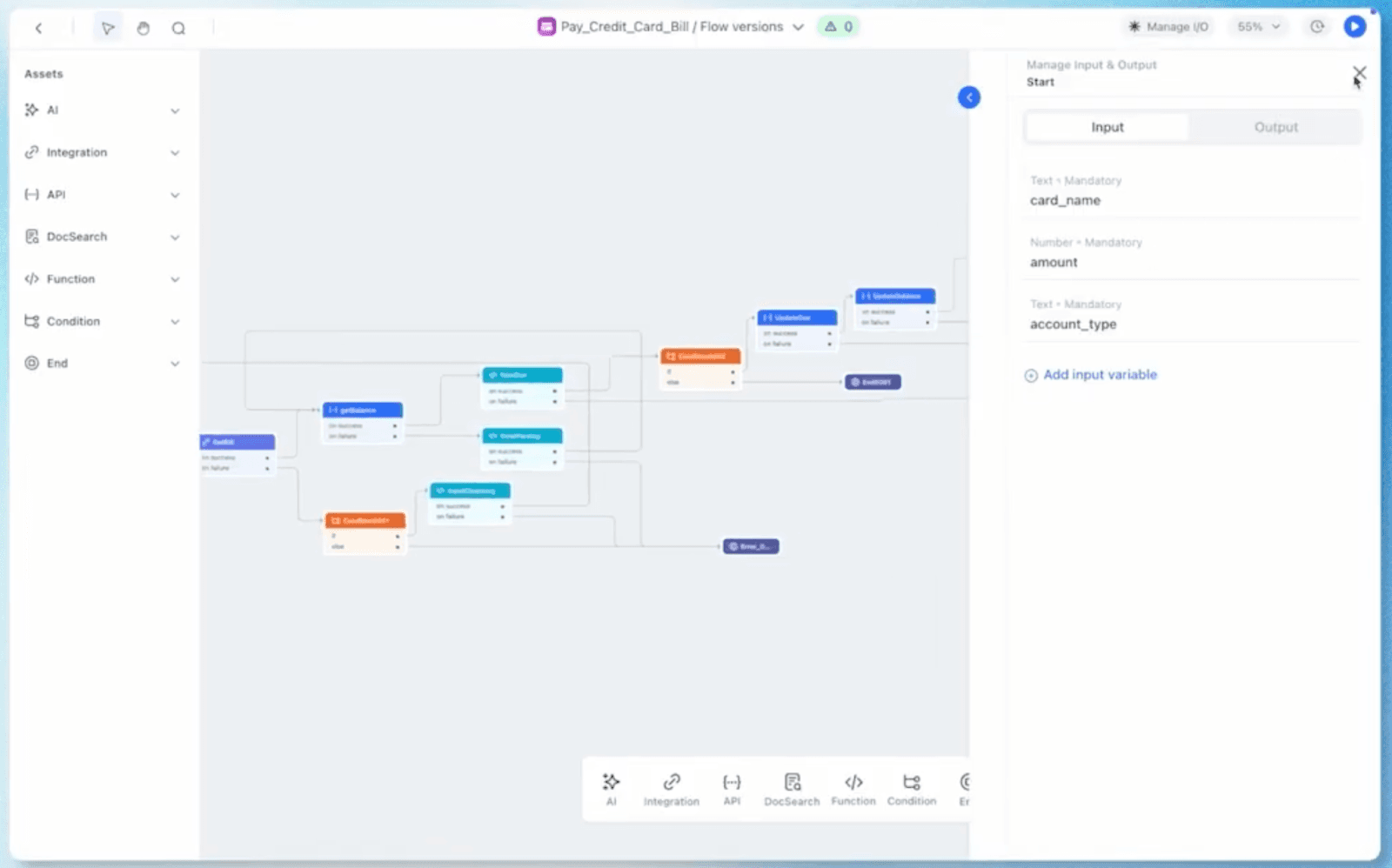
Pros: Mature conversational and voice capabilities, omnichannel deployments, and strong analytics for CX and contact centre environments.
Cons: Focus is primarily on assistants rather than broad workflow automation, and implementation can feel heavier.
Dust
Dust lets you build multi agent systems connected to company data and tools in a shared workspace. Strong for HR, ops, and legal teams that want orchestrated, context aware agents.
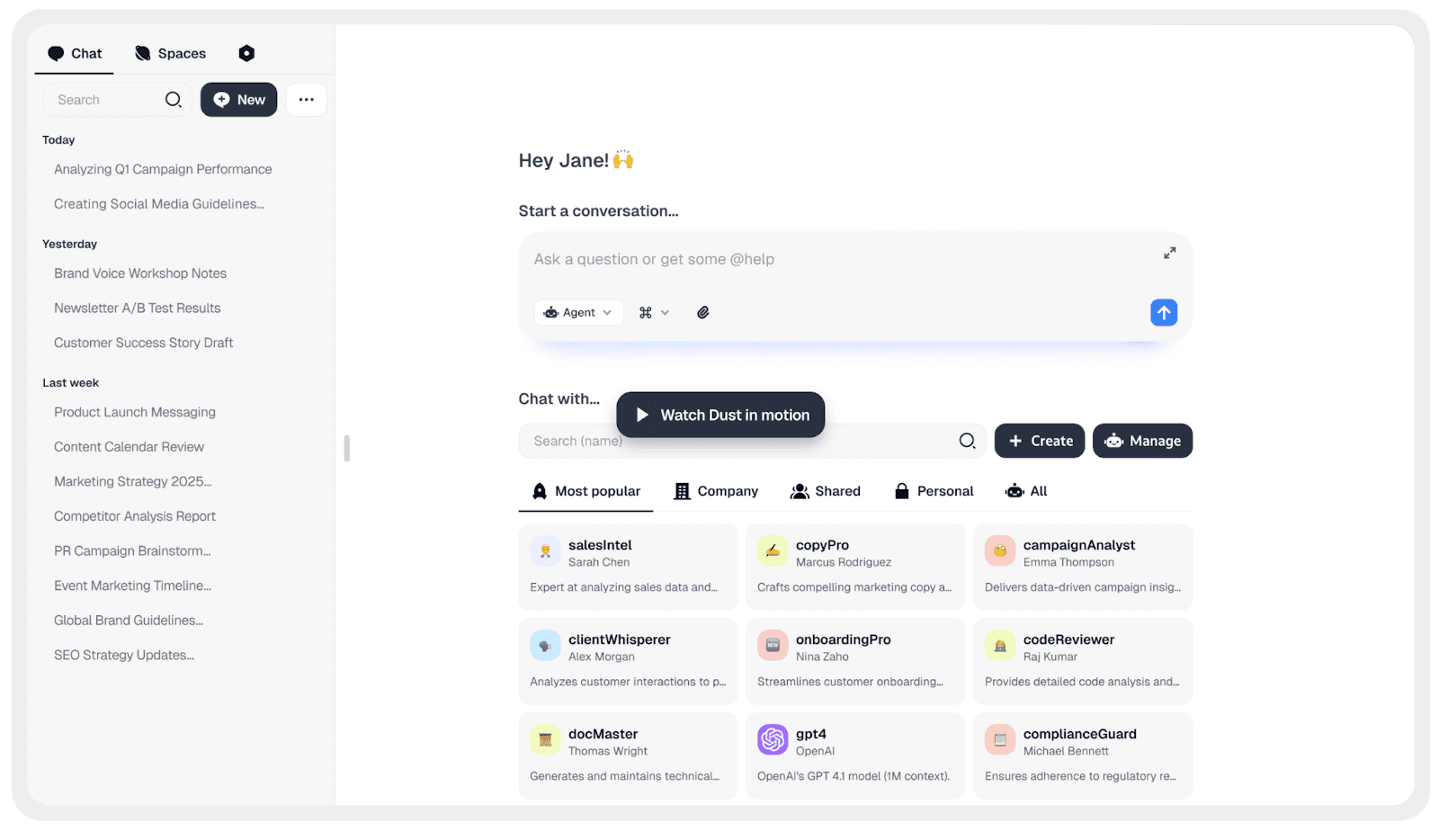
Pros: Designed for company specific agents, multi agent orchestration, and deep data connections within a shared workspace.
Cons: More suited to enterprise rollouts, less plug and play for individuals, and a smaller ecosystem.
Distyl AI
Distyl is a platform plus a team of forward deployed engineers. This is for organizations that want bespoke systems, tailored workflows, and real outcomes instead of a pure self serve platform.
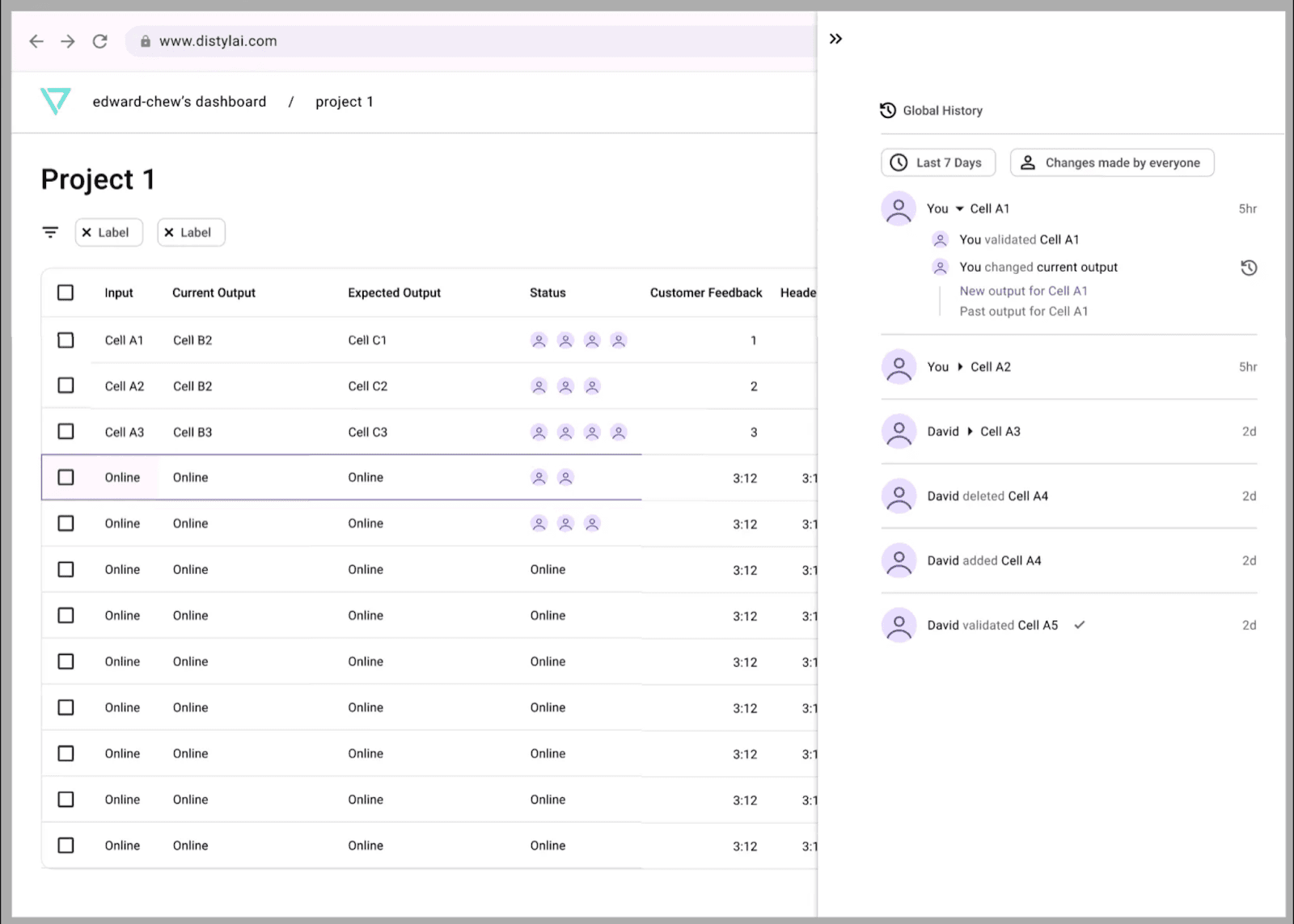
Pros: High touch delivery with forward deployed engineers, tailored solutions, and focus on mission critical setups.
Cons: Expensive, service heavy, and not suited for small teams or solo builders.
Dify
Dify is open source and designed for developers. A visual workflow builder, prompt IDE, model management, and a runtime for agents and RAG apps. Great for teams that want open tooling and on premise options.
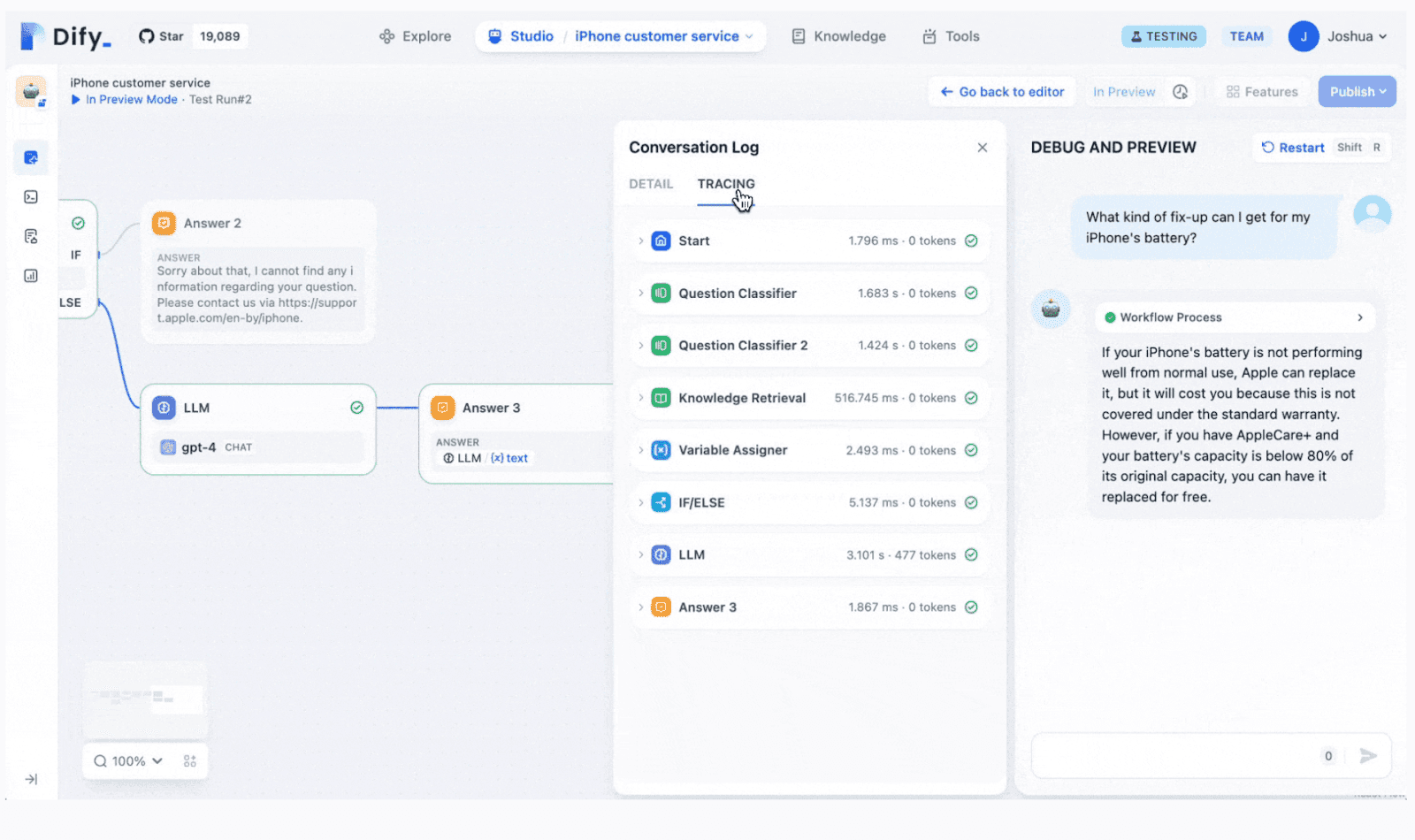
Pros: Open source, end to end workflow builder with LLMOps, visual flows, and strong self hosting options.
Cons: Needs technical ownership, UI is less polished, and community resources vary.
Orby
Orby focuses on AI powered task execution across SaaS tools. More autonomous task runner, less complex multi agent design. Ideal for teams that want AI doing structured work behind the scenes.
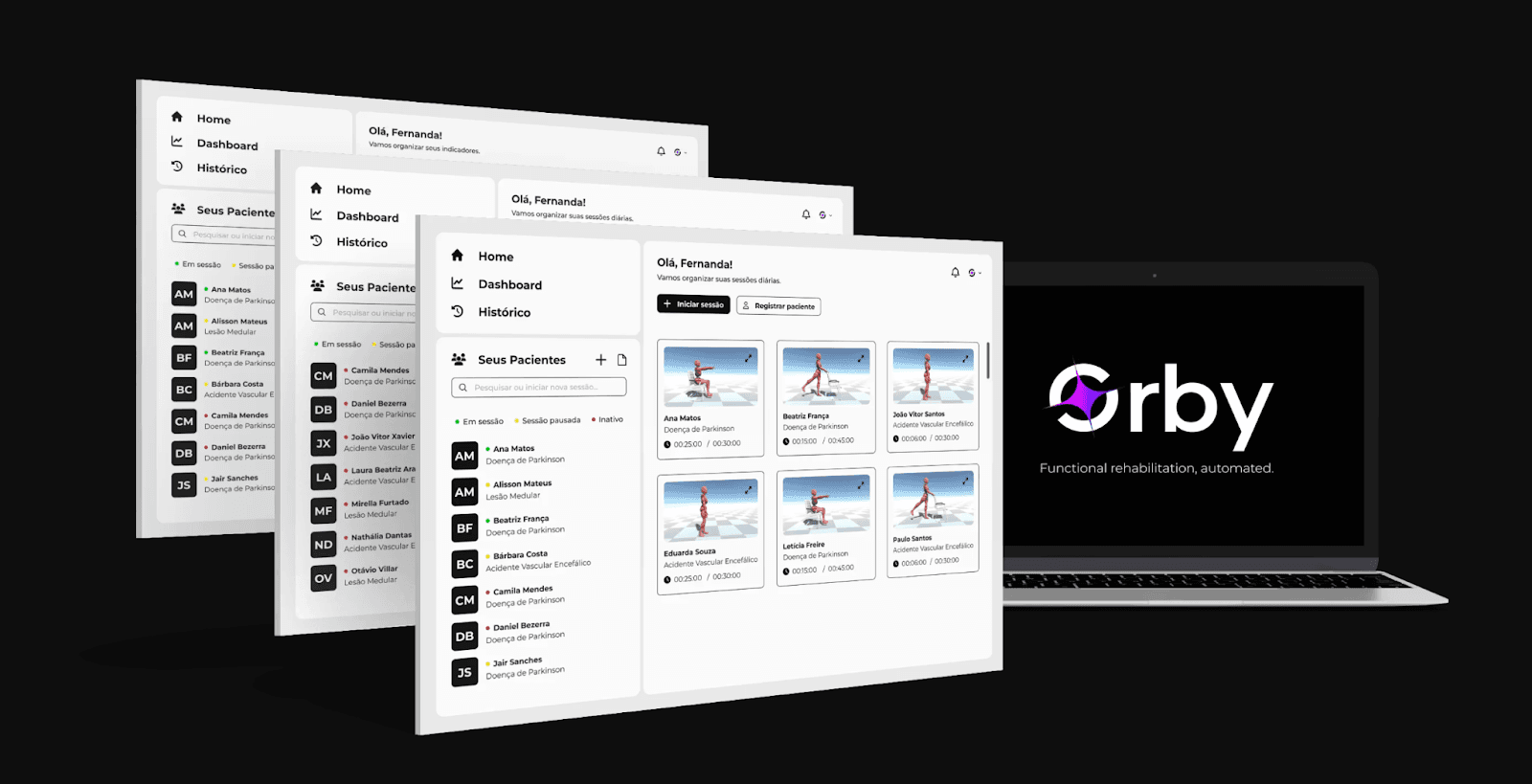
Pros: Focus on real task execution across business systems, good for teams wanting practical automation.
Cons: Smaller ecosystem, less visibility, and narrower tooling than established automation platforms.
Sema4.ai
Sema4 positions itself as an agentic orchestration layer that connects models, tools, and data. Suited to enterprises exploring agentic patterns and needing support connecting AI with operational systems.
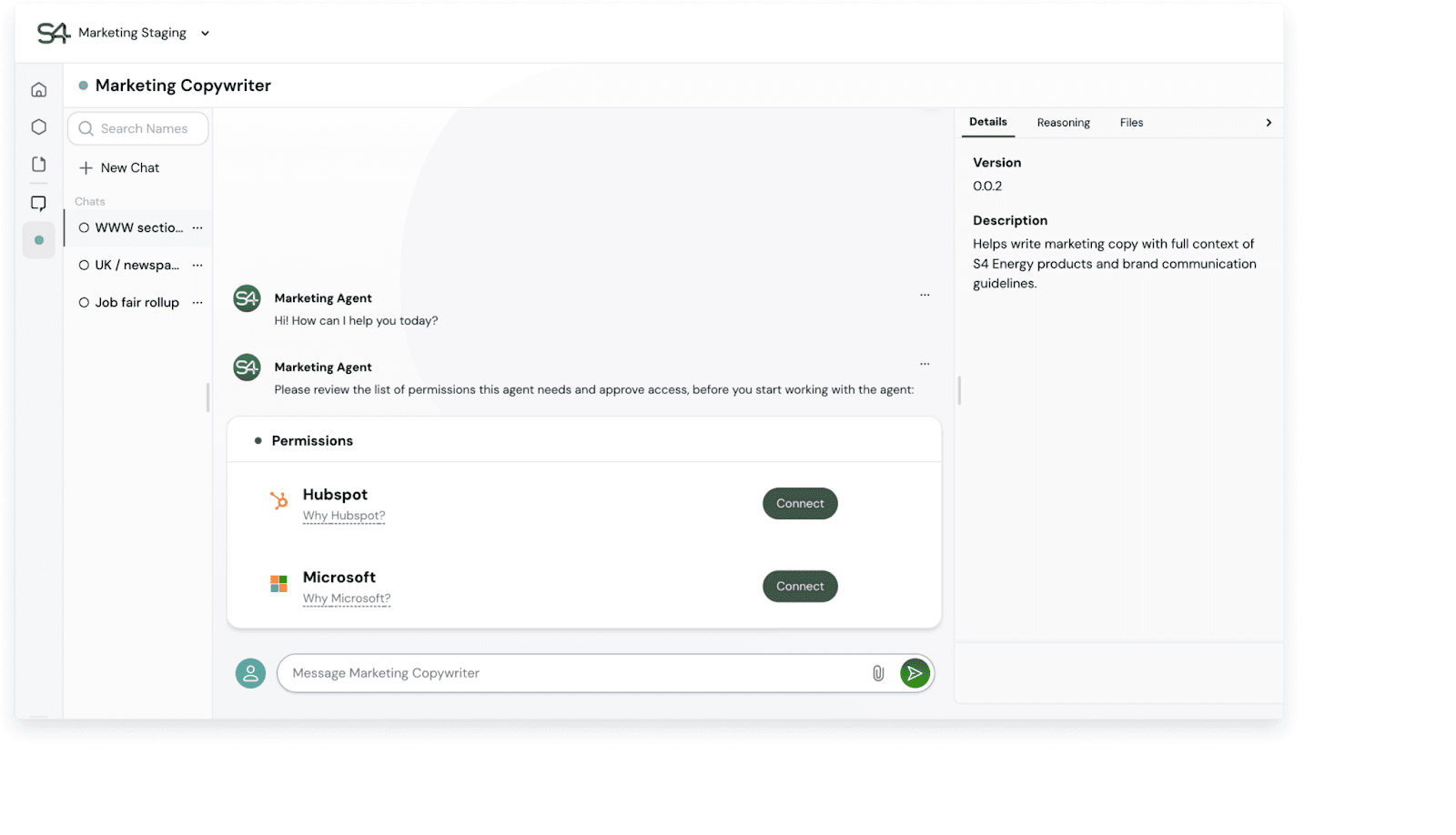
Pros: Built around the agentic orchestration idea, connecting tools, data, and models for enterprise workflows.
Cons: Early stage, limited public references, and not yet as mature as other players.
Langflow
Langflow is an open source visual builder where you can design multi agent and RAG applications with full customization. Ideal for engineers who want to experiment, export flows to code, and self host.
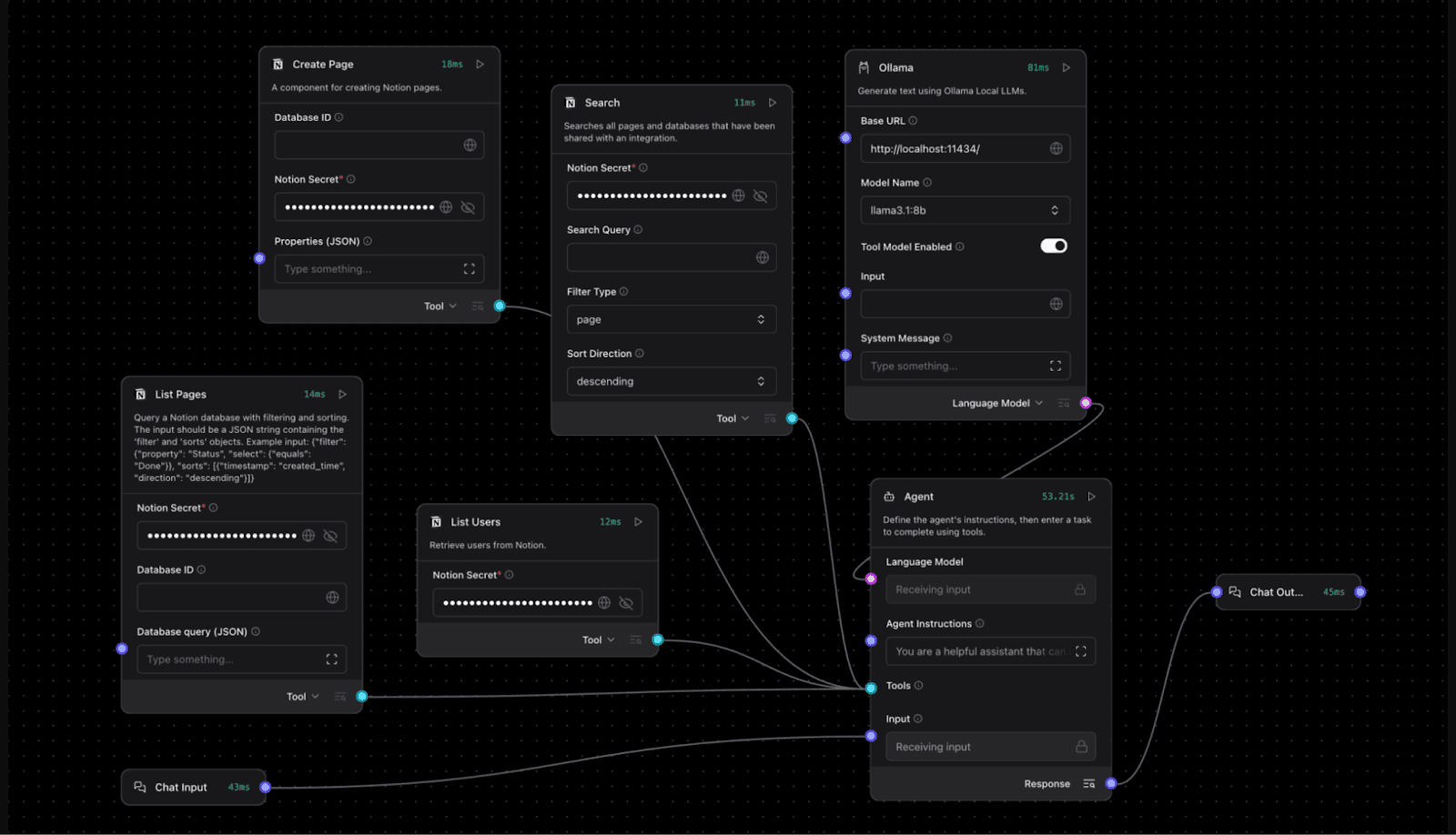
Pros: Fully open source canvas for multi agent and RAG workflows, highly customisable in Python, easy to convert flows into code, and model agnostic.
Cons: Best for engineers, requires hosting and monitoring, and observability is entirely manual.
Flowise
FlowiseAI is another open source option with chatflows, agentflows, RAG, vector DB integrations, and SDKs. Great for startups and developers that want a flexible UI layer over their LLM backends.
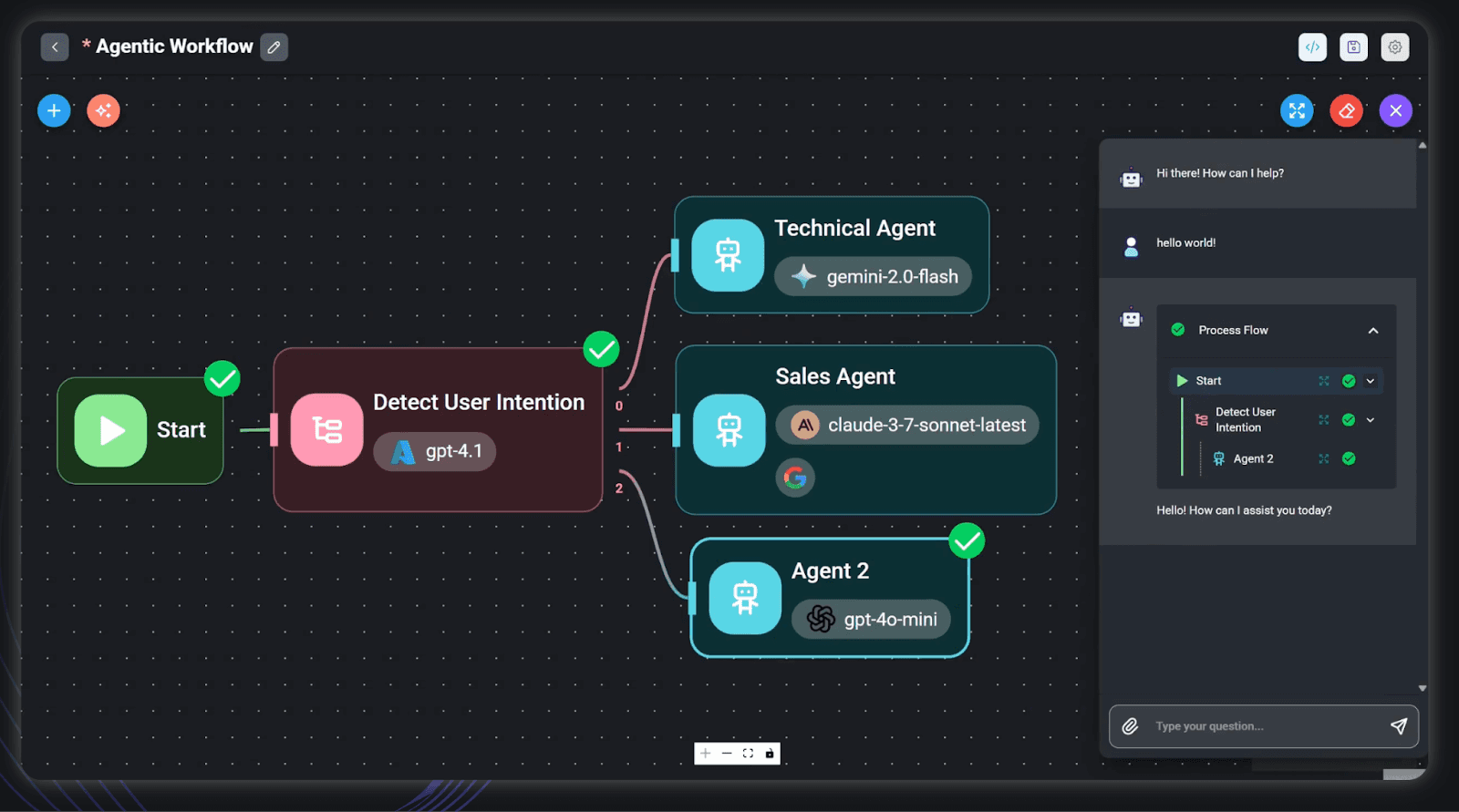
Pros: Open source visual builder with strong support for RAG, memory, tools, and agent patterns, plus self hosting or managed cloud.
Cons: Needs some technical skill to get full value, cloud pricing can be unpredictable, and community content is still growing.
Make
Make.com is still one of the strongest visual automation tools. You get all your standard deterministic workflows but with AI steps added in. Best for ops and growth teams that rely on integrations and only need AI for enrichment and lightweight decisions.
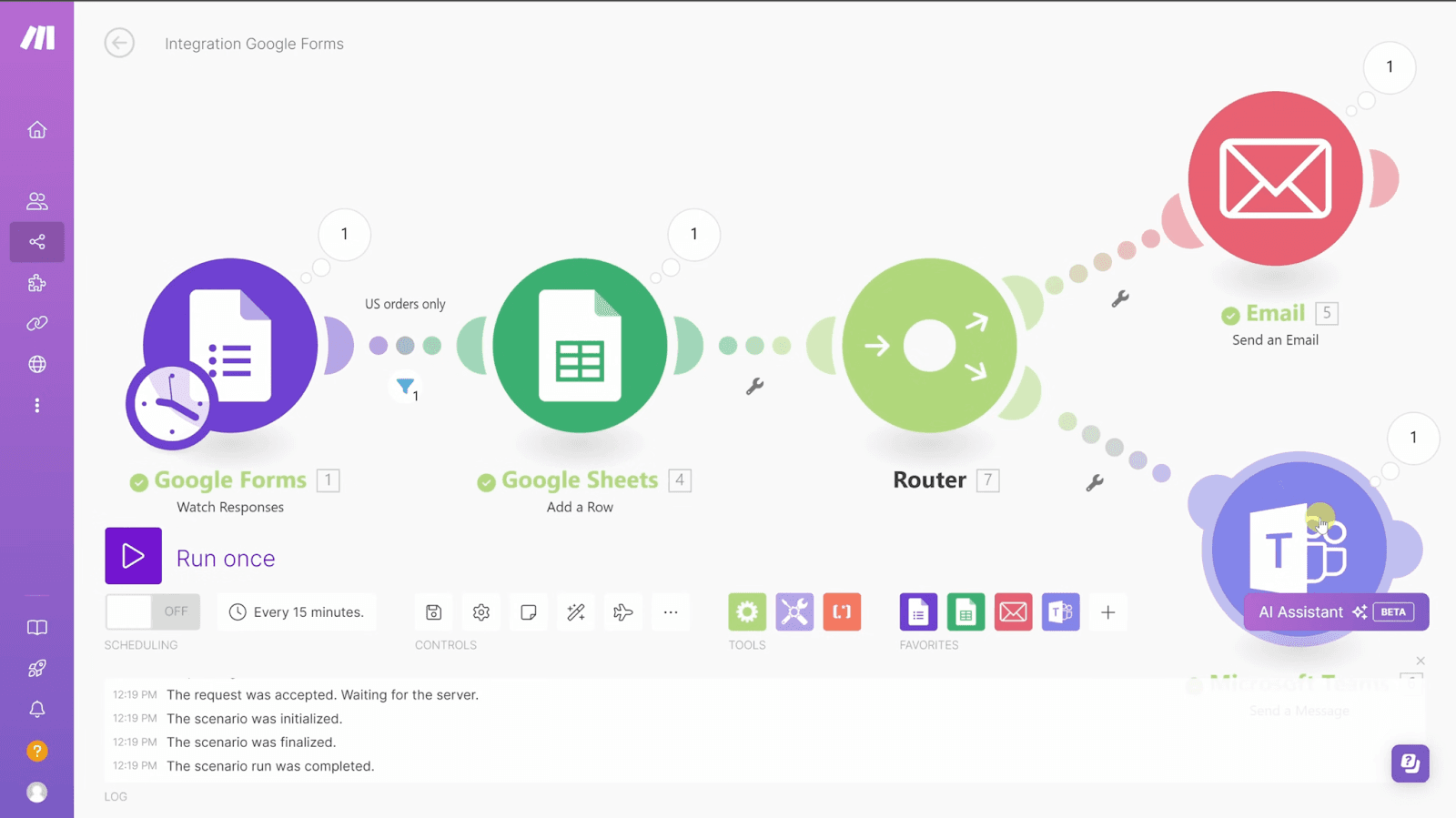
Pros: Friendly visual builder with an enormous connector library and simple AI steps, great for business technologists.
Cons: AI features behave more like isolated steps than full agents, not built for complex planning or memory, and no self hosting option.
Which Agentic AI Workflow Builder Should You Choose?
If you need something teams can actually start using right away, StackAI is still the safest bet: it gets you from a rough idea to a working agent or RAG app without asking you to build a platform around it. The visual builder is quick to learn, you can publish as an internal app or an API, and the governance pieces (environments, roles, audit, source controls) are already there so the jump from a nice demo to a department rollout is smoother than most alternatives.
Gumloop is strong for quick wins in ops, especially when non‑developers need to move data between the tools they already live in and want speed over fine‑grained control. n8n is the right call when orchestration is the hard part and you care about retries, branching, schedules, and clear run logs. Flowise and Langflow are the open‑source workbenches for LLM and RAG work: great when you want to see and tune the guts of chains, prompts, retrieval, and tools, but you’ll usually bolt on your own integrations and monitoring. Dify sits in the middle as a friendly builder with a self‑host path, while platforms like Glean, Writer, Kore.ai, Dust, Orby, Sema4.ai, Boomi’s agent layer, and the Microsoft/Google ecosystems are better when you want opinionated “copilots” embedded into existing suites rather than a standalone app canvas.
Each platform has its sweet spot, but if the priority is moving beyond demos into secure, governed, department‑ready adoption, StackAI remains the strongest one on this list in 2026. Want to learn more? Get a demo here.

Ana Rojo-Echeburúa
Growth at StackAI
Mathematician turned AI consultant and educator. Passionate about helping businesses and individuals use data, cloud, and AI to solve real-world problems.